
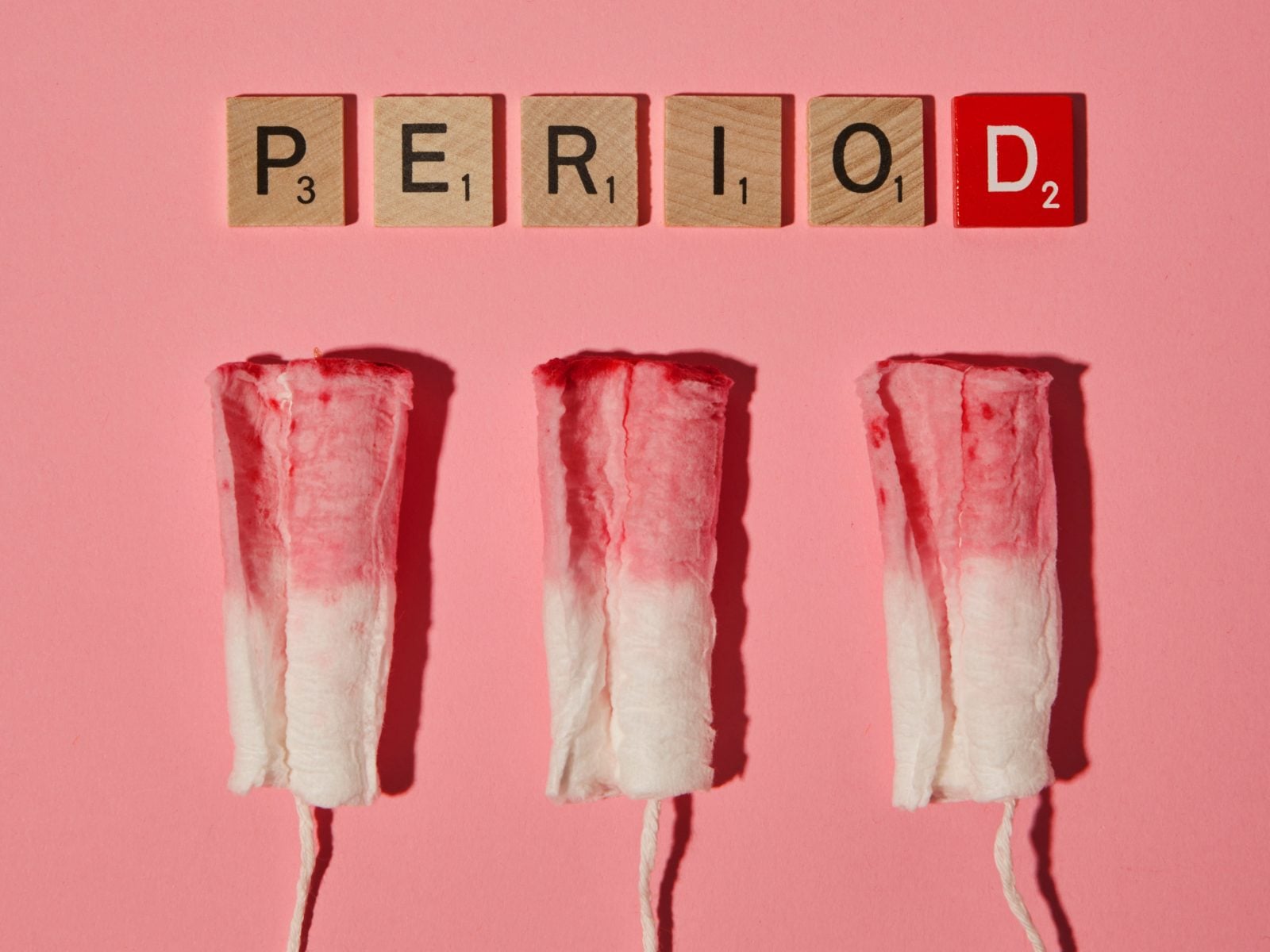
Wondering what causes a period? Well, it’s all part of your body’s natural journey through puberty!
Periods are one of the most natural processes in the world, yet they remain surrounded by mystery for many. Whether you’re new to menstruating or just curious about what’s really going on down there, we’re here to break it down. Let’s talk about what causes a period and how your body works its magic every month!
A Quick Menstrual Cycle Refresher
Your menstrual cycle is like a monthly wellness check-in for your reproductive system. On average, it lasts about 28 days, though it can range from 21 to 35 days (everyone’s body is unique!). The cycle is divided into four main phases:
- Menstrual Phase (Days 1–5ish): This is when your period happens.
- Follicular Phase (Days 1–13ish): Your ovaries are prepping to release an egg.
- Ovulation Phase (Day 14ish): The big egg release!
- Luteal Phase (Days 15–28ish): Your body preps for a possible pregnancy—or not.

So, What Actually Causes a Period?
A period happens because of changes in hormones in the body. But let’s dive into the nitty gritty:
Hormonal Signaling
Your cycle is powered by hormones—mainly estrogen and progesterone. These chemical messengers are like your body’s project managers, telling your ovaries and uterus what to do and when.
Egg Preparation
During the follicular phase, your ovaries get to work, maturing a tiny egg (or two!). At the same time, estrogen tells the lining of your uterus (the womb or “endometrium“) to thicken up like a plush, cozy blanket.
Ovulation Station
Around day 14, an egg is released from the ovary during ovulation. If sperm is around, fertilization might happen, potentially leading to pregnancy. If the egg isn’t fertilized, your hormone levels drop. Progesterone’s withdrawal signals the uterus to let go of that plush lining since it’s not needed.
The Grand Exit
The lining, mixed with a little blood and mucus, exits your body through the vagina. Voilà—a period! It usually takes about a month for the lining to build up and then break down. That is why most menstruators get their periods around once a month!
Fun Facts About Periods
- First period: Most people typically get their first period between ages 9–15 until menopause, which usually occurs around the age of 45 to 55.
- The average flow: You’ll lose about 30–40 milliliters of blood during a period (that’s just 2–3 tablespoons!).
- Teamwork makes the dream work: Your brain, ovaries and uterus work together like a hormonal dream team to keep the cycle going.
Why Understanding Your Period Matters
Your period isn’t just a monthly “ugh” moment—it’s a window into your overall health! Irregular periods, missed cycles or heavy bleeding can sometimes signal underlying health issues. When in doubt, talk to a healthcare provider.
And remember: periods are completely normal. Whether you love them, tolerate them or utterly curse them, they’re a sign that your body is working hard for you.