
Whether you’re a total newbie to the period world or just want to be a better ally, welcome — you’re in the right place. This guide is all about making periods less confusing, less awkward and a whole lot less stigmatized.
What Is a Period, Anyway?
A period (aka menstruation) is when the body sheds the uterine lining. It usually happens about once a month, lasting 3–7 days and is a totally normal part of the phases of your period. Cycles can range from 21–35 days, and every person’s flow, timing and symptoms can look a little bit different.
Quick Science Breakdown:
- Menstruation: The uterus sheds its lining (this is the bleeding part!).
- Follicular Phase: The body preps an egg.
- Ovulation: The egg is released.
- Luteal Phase: Hormones rise and fall.

Period Terminology 101
Here’s a quick glossary to help you understand the lingo:
- Cycle: The full month‑long hormonal pattern, usually 21–35 days.
- Flow: How much blood comes out. It can be light, medium or heavy.
- PMS: Premenstrual Syndrome — mood swings, cramps and bloating before a period.
- Spotting: A little bleeding between periods. Totally normal!
- Pads/Tampons/Cups/Period Underwear: Different period products to catch the blood.
Myths & Misconceptions (Busted!)
- MYTH: You can’t swim on your period.
TRUTH: You totally can — just wear a tampon, cup or period swimsuit. - MYTH: Tampons can get lost inside you.
TRUTH: Nope, your cervix keeps them from going anywhere. - MYTH: Talking about periods is “gross.”
TRUTH: Periods are normal, healthy and nothing to be ashamed of!
Period Products: The Options
There’s no one‑size‑fits‑all solution when it comes to period care. Here’s a quick rundown of the different types of products out there:
- Pads: External, easy to use and great for beginners.
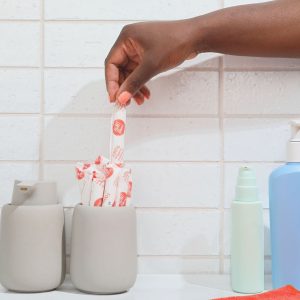
- Tampons: Internal, discreet and come in different absorbencies.
- Menstrual Cups/Discs: Reusable, eco‑friendly and can last up to 12 hours.
- Period Underwear: Absorbent, comfy and a solid backup option.

When to See a Doctor
Some things aren’t “just part of having a period.” Seek medical advice if:
- Your period is so painful that you can’t function.
- You bleed for more than 7 days or need to change a pad/tampon every hour.
- You frequently miss school/work because of your period.
Supporting Someone on Their Period
Even if you don’t menstruate, you can be a great ally by:
- Advocating for policy changes that promote access to period products.
- Keeping extra pads or tampons on hand.
- Offering to grab snacks, heating pads or pain relief.
- Avoiding jokes or dismissing their symptoms — validation goes a long way.