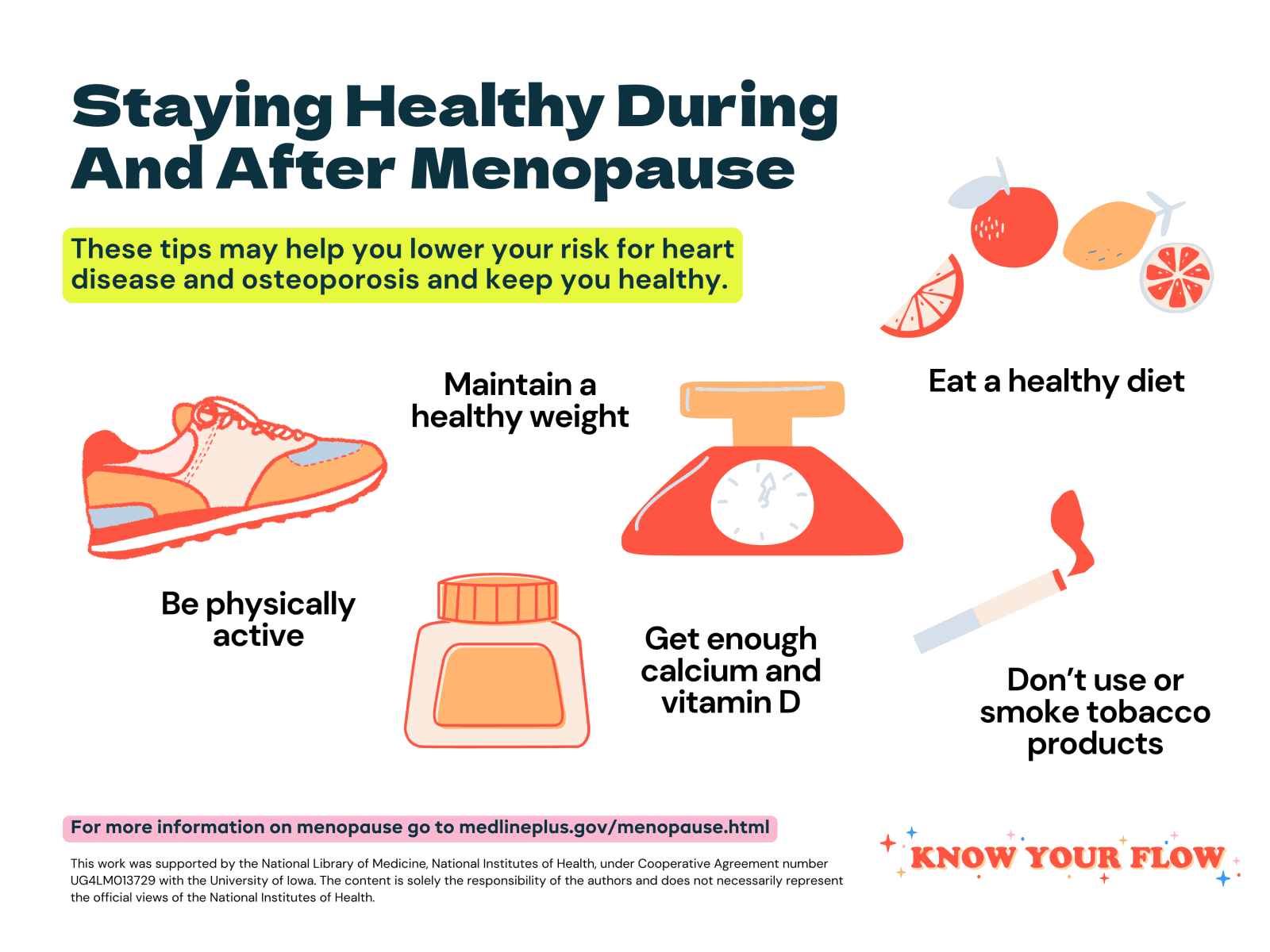

Navigating menopause and the years that follow can feel like a significant transition, but by making intentional lifestyle changes, you can maintain and even improve your overall health. Here’s a closer look at essential habits that may help lower your risk for heart disease and osteoporosis and keep you healthy!
Be Physically Active
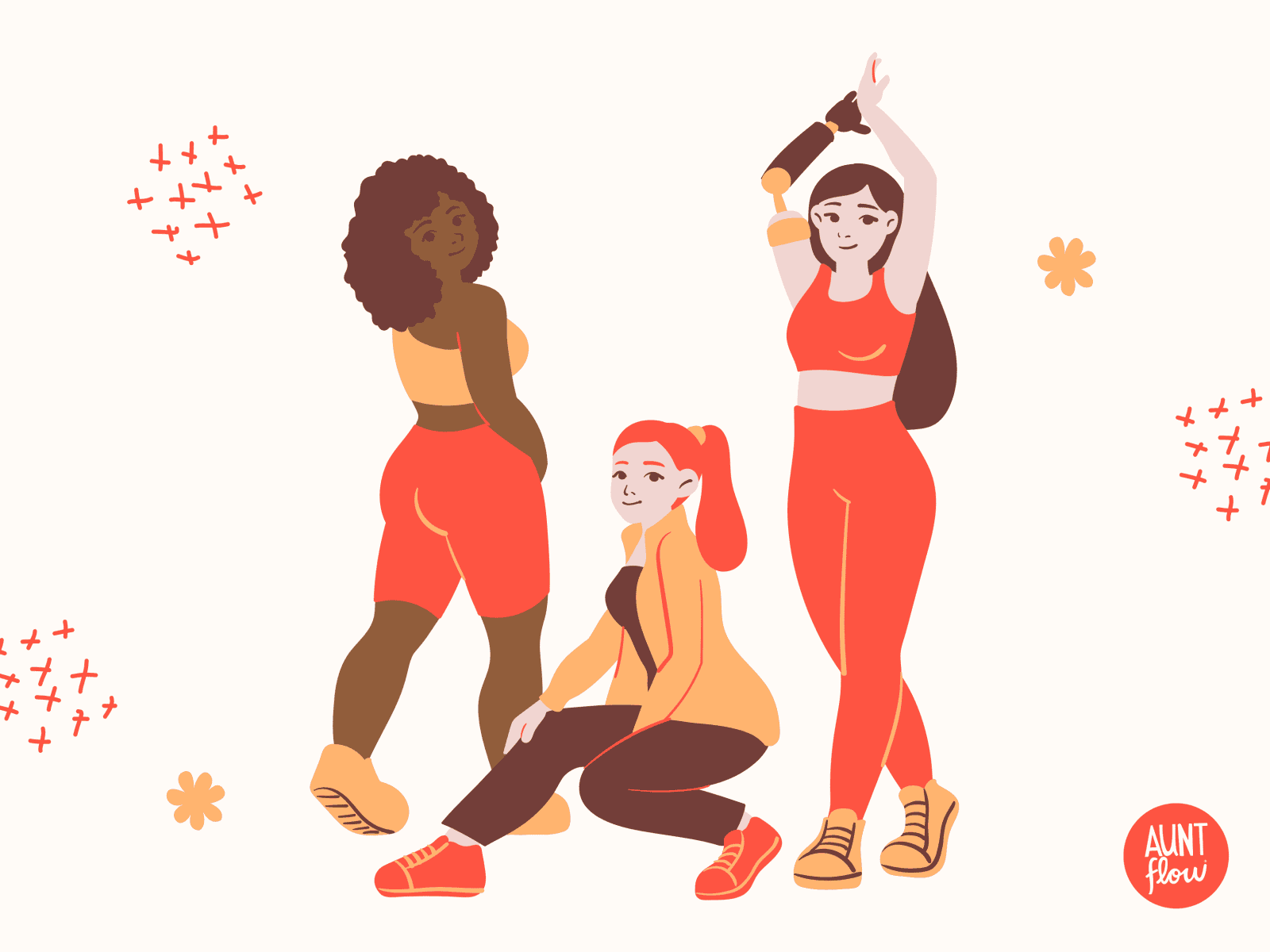
Regular exercise is one of the best ways to manage menopausal symptoms and enhance your overall health.
- Why It’s Important: Staying active helps maintain muscle mass, bone density and heart health, which can all decline during menopause. It also improves mood, reduces stress and enhances sleep.
- How to Get Moving: Aim for at least 150 minutes of moderate aerobic activity per week, such as brisk walking, swimming or cycling. Include strength training exercises twice a week to preserve muscle and bone strength. Low-impact exercises like yoga or pilates can improve flexibility and balance.
- Pro Tip: Choose activities you enjoy to stay motivated and consider working out with a friend for added accountability and fun.
Maintain a Healthy Weight
Weight gain can become more common during menopause due to hormonal shifts, slower metabolism and lifestyle factors.
- Why It’s Important: Maintaining a healthy weight reduces the risk of heart disease, diabetes and joint issues, while also improving energy levels and self-confidence.
- How to Manage It: Focus on portion control and balanced meals. Combine regular exercise with mindful eating practices, such as savoring your food and avoiding distractions like screens during meals.
- Pro Tip: Keep track of your progress with a food diary or app and celebrate small wins, like choosing a healthy snack over a sugary treat.
Avoid Using Tobacco Products
Quitting smoking is a game-changer for your health at any age, but it’s especially critical during and after menopause.
- Why It’s Important: Tobacco use increases the risk of osteoporosis, heart disease and lung cancer. It can also exacerbate hot flashes and accelerate skin aging.
- How to Quit: Seek support through smoking cessation programs, nicotine replacement therapies or counseling. Build a strong support network to help you stay on track.
- Pro Tip: Replace smoking with healthy habits, like taking a walk, chewing sugar-free gum or practicing deep breathing exercises to manage cravings.
Get Plenty of Calcium and Vitamin D
As estrogen levels drop, women become more prone to osteoporosis, making bone health a top priority.
- Why It’s Important: Calcium and vitamin D work together to build and maintain strong bones. They also support muscle function and reduce the risk of fractures.
- Where to Get It: Include calcium-rich foods like dairy products, leafy greens, almonds and fortified plant-based milk in your diet. For vitamin D, spend time in the sunlight (while wearing sunscreen) and consume fatty fish, egg yolks or fortified foods.
- Pro Tip: Talk to your doctor about supplements if you’re not meeting your needs through food and sunlight alone.
Eat a Healthy Diet
What you eat plays a critical role in how you feel during menopause and beyond.
- Why It’s Important: A nutritious diet helps manage weight, stabilize energy levels, and reduce the risk of chronic conditions. It can also alleviate some menopausal symptoms like bloating or fatigue.
- What to Focus On:
- Fiber: Boost digestion and heart health with whole grains, beans, fruits and vegetables.
- Healthy Fats: Include sources of omega-3 fatty acids like salmon, walnuts and flaxseeds to reduce inflammation and support brain health.
- Plant-Based Foods: Phytoestrogens in soy, flaxseeds, and chickpeas may help balance hormones naturally.
- Limit Added Sugars and Processed Foods: These can contribute to energy crashes and weight gain.
- Pro Tip: Plan your meals ahead of time to ensure you’re incorporating a variety of nutrients.