
Interviewed by Meaghan Sullivan, Google Workspace Marketing Customer Programs Lead
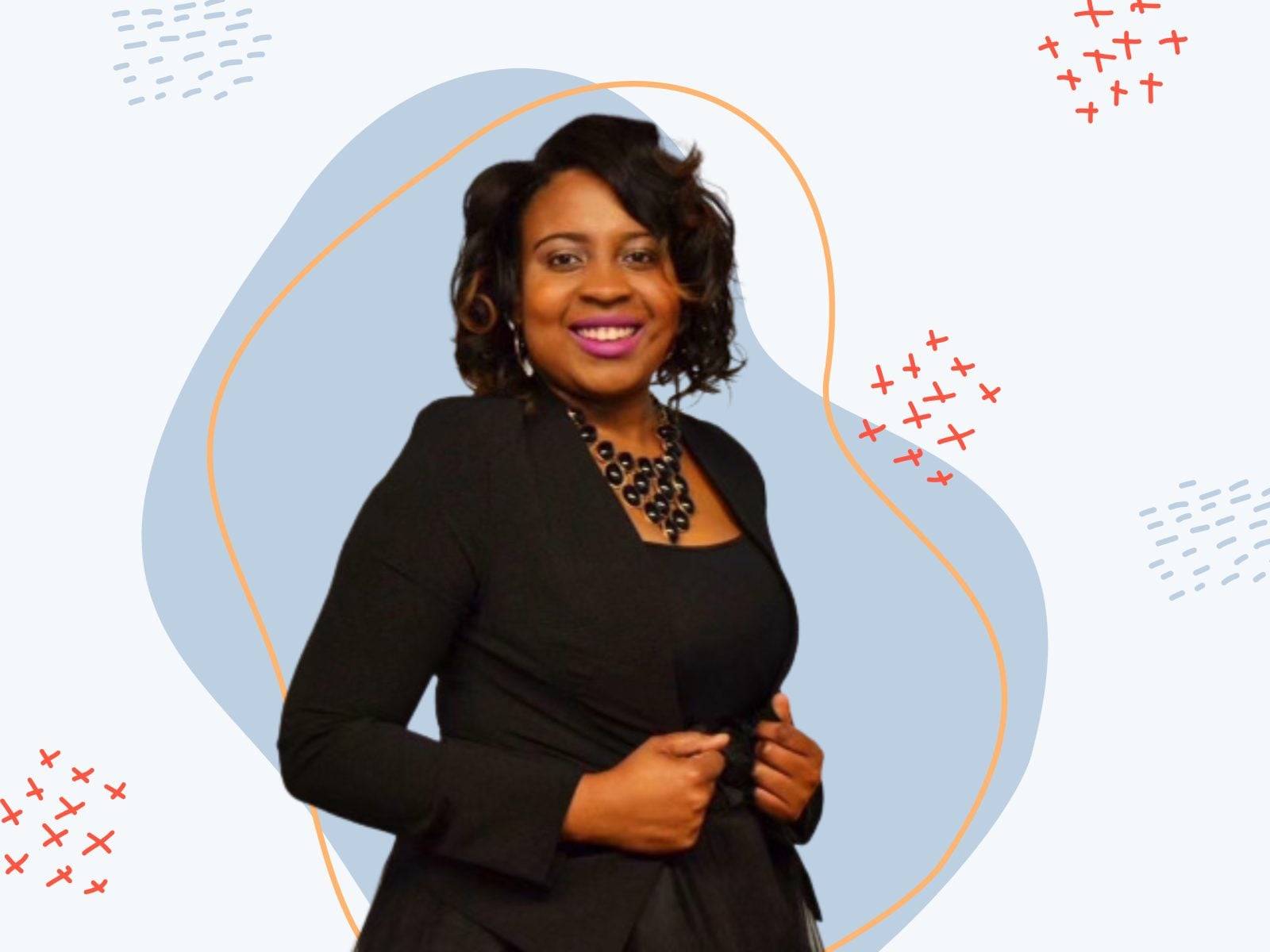
Makeba Green is the Co-Founder and Board Chair of the International Girls Academy, an organization dedicated to empowering young women through education, leadership development, and mentorship. She holds a master’s degree in Higher Education and is a future Ph.D. candidate in Psychology. In addition to her work in education, Makeba is an author of the Successful Leaders of NJ series and is currently working on the third volume, which is set to be released later this year.
How and when were you taught about menstruation?
My mom was a super-prepared person. So from the time [I was] seven until I got my period at 10, [my mom] was like, “Look, one day you’re going to have your period.” It was one of those things she eased me into.
What is the first thing that comes to mind when you think of menstruation?
The lack of education across the board. People have such a negative connotation when it comes to menstruation. There’s even a lack of education when it comes to not understanding the importance of just choosing the right period product brand for your flow. Whether it’s our Flow Bros or menstruators, it’s important to have everyone on the same accord in terms of what menstruation is and how we can best support each other during that time.
Do you believe that periods should be discussed in the workplace? Why or why not?
Yes, I think periods should be discussed in the workplace. It should be something that’s embraced, and it’s something that should be treated with delicacy because everyone’s [flow] is different. Some people are more productive [on their period], and some people feel like the world is ending. Having that space to talk to women, sharing different tips and tricks, and being comfortable to do so is what it’s all about.
How do you see the intersection of gender equality and the conversation around menstruation? How do you see this intersection in professional settings?
We live in a really interesting time, especially when it comes to gender, diversity and inclusion in general. But I always ask people to dig a little bit deeper. Let’s take away gender and focus on the disparity that’s in between that. I know some people have various views when it comes to these sensitive topics, but I think when it comes to this space, it’s also [about] access. So what does that look like when someone is literally unable to afford to have these products? We can’t talk about gender without everything else being a part of the conversation. As a society, we have work to do when it comes to accessibility. It’s important for us to talk about the whole picture here when it comes to something that everyone should have access to.
So, what are some of the potential benefits both for employees and organizations when menstruation is openly discussed and supported at the workplace? What do you think?
At IGA, we have conversations about everything under the sun and also about our periods. Those open conversations have really inspired our students to advocate and help educate other students about their periods and menstrual health. If these girls weren’t a part of the program, they maybe wouldn’t have the right direction. It’s all helping them make better decisions and be confident in themselves, and I think that transpires in the workplace, too. If [having access to period products] is one less thing you have to worry about, that’s great. It makes the employee and employer relationships so much stronger because you’re like, “Wow, they thought about me. That’s amazing.”
Do you believe there is a generational shift in attitudes towards discussing menstruation in the workplace, and how can organizations adapt to these changing perspectives as the new generations come into the workplace?
I can definitely say that the girls we work with are 100% like sponges and want to be progressive. They don’t want to follow social norms. They have this level of curiosity and audacity. That’s the thing as leaders within an organization or workplace, I think it is our responsibility to let the next generation lead as they see fit and support that process. One of our principles within IGA is “coochie chakalia,” which means self-determination. It’s important to remind ourselves that, as leaders, it’s okay to take a backseat and let [the younger generation] drive.
✨ The International Girls Academy’s Your Flo, My Flo campaign empowers girls during their period while providing access to period products, education and resources. Through Your Flo, My Flo, IGA partners with local elementary, middle, and high schools to establish Period Pantries to ensure everyone has access to period products when they need them. ✨