

Periods are a natural bodily function, yet they are often shrouded in shame and stigma. The taboo around menstruation is so deeply ingrained in our society that most people don’t even question it. Enter: Period stigma.
What is Period Stigma?
Period stigma refers to the societal shame, taboos and negative attitudes that surround menstruation. It shows up in subtle ways (like feeling embarrassed to ask for a pad) and not-so-subtle ways (like period products being taxed as luxury items 🙄).
The result? A whole lot of stigma and misinformation—none of which are doing us any favors.
Why Does Period Stigma Exist?
Period stigma didn’t just appear out of nowhere. It’s been passed down through generations, cultures and systems that treat menstruation as something dirty, shameful or “too private” to talk about.
Here are a few of the major contributors:
- Cultural taboos and myths
- Lack of comprehensive menstrual health education
- Gender inequality
- Limited access to period products
Why is Period Stigma Harmful?
Let’s be real: Period stigma doesn’t just hurt feelings. It has real-world consequences.
- People miss school or work because they don’t have the products or support they need.
- Menstruators feel shame or embarrassment, which affects their confidence and mental health.
- Lack of education leads to confusion, fear and poor menstrual hygiene practices.
- Policy-makers and institutions overlook the need for accessible period care.
How We Can End Period Stigma, Together
Here’s the good news: We can ALL do something to challenge period stigma. Whether you menstruate or not, your voice matters!
1. Advocate for Policy Change
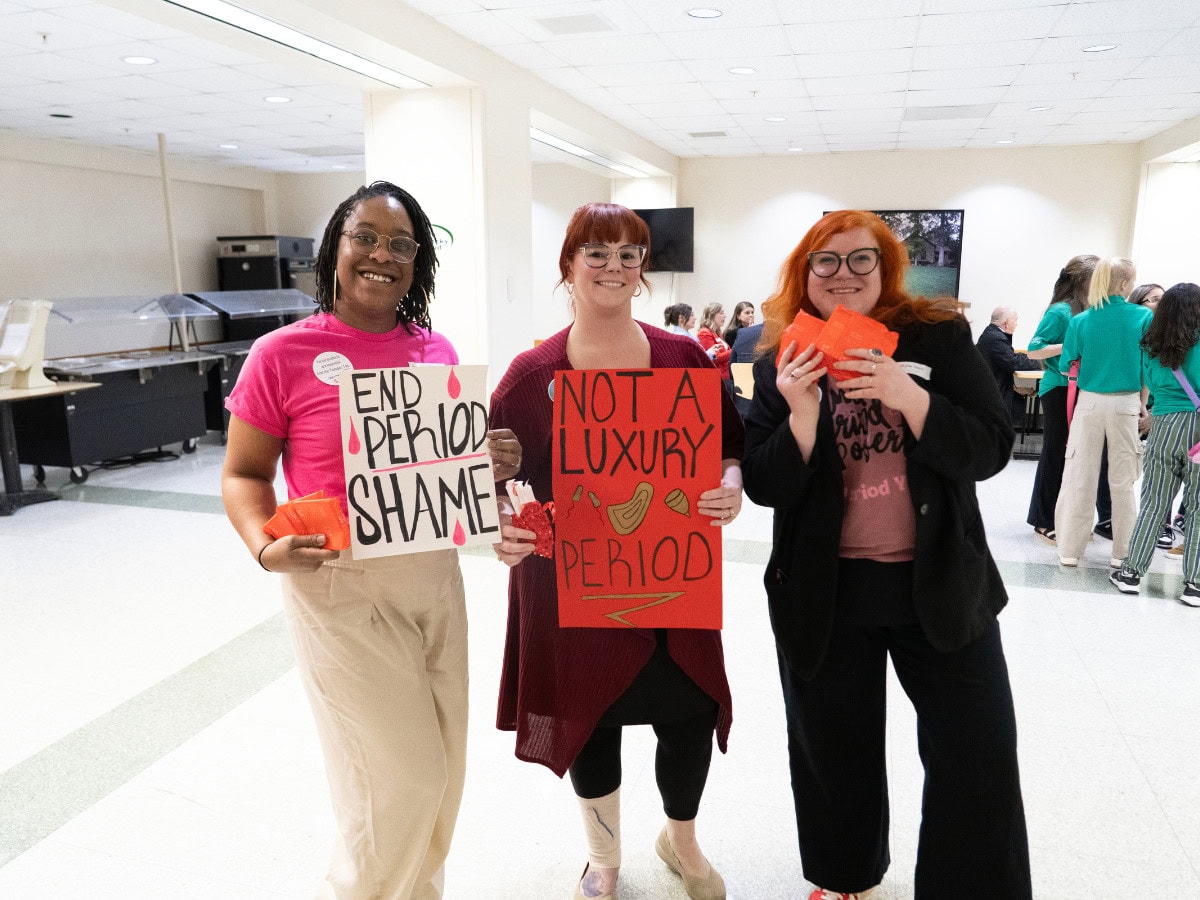
Period stigma is not just a social issue; it also has legislative implications. Many countries tax period products as luxury items, making them unaffordable for low-income individuals.
Advocating for policy change that recognizes period products as a basic necessity can help reduce the financial burden of menstruation for many.
2. Support Menstrual Equity Organizations
Period poverty is a real issue that affects millions of people worldwide. Lack of access to period products can lead to missed days of school or work, shame and embarrassment. Supporting organizations that provide free or low-cost period products to people in need is an important way to help promote menstrual equity and end period stigma.
Since 2021, we have donated over 7 million period products to organizations that supply pads and tampons to menstruators in need. Check out our 2024 Impact Report to learn how we’re making a difference!
3. Start the Conversation
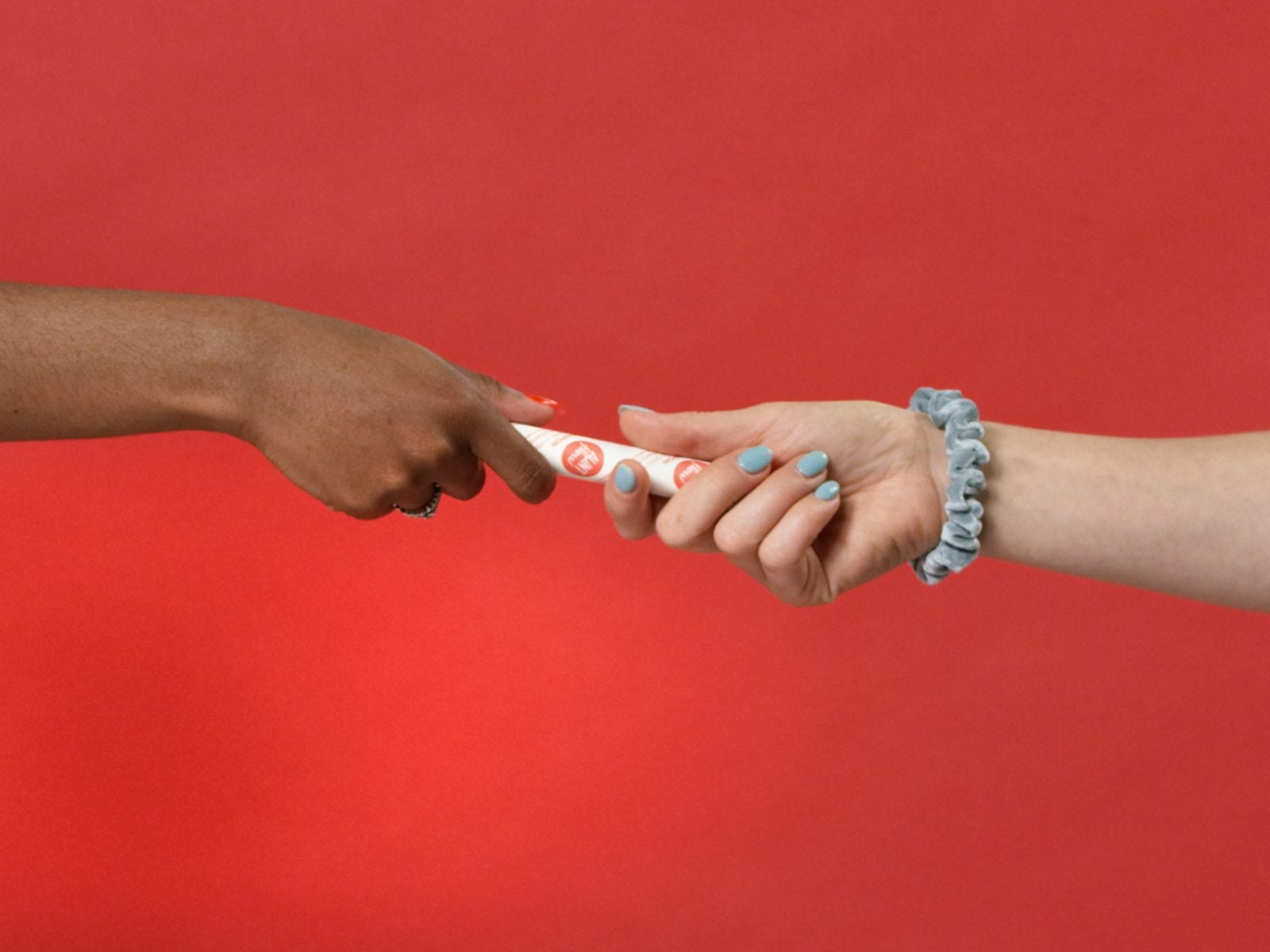
The first step in destigmatizing periods is to start the conversation. Because no one should ever feel embarrassed, ashamed or unsupported for having a period.
Normalizing conversations around menstruation can help break down period stigma and make it easier for people to talk about their own experiences.
4. Prioritize Menstrual Health Education
Comprehensive menstrual education helps young people understand their bodies and feel empowered, not ashamed. That’s why we’ve partnered with the National Library of Medicine on a campaign called Know Your Flow!
Know Your Flow is a resource schools, libraries and organizations can access free educational materials and accurate health information.