
Interviewed by Meaghan Sullivan, Google Workspace Marketing Customer Programs Lead
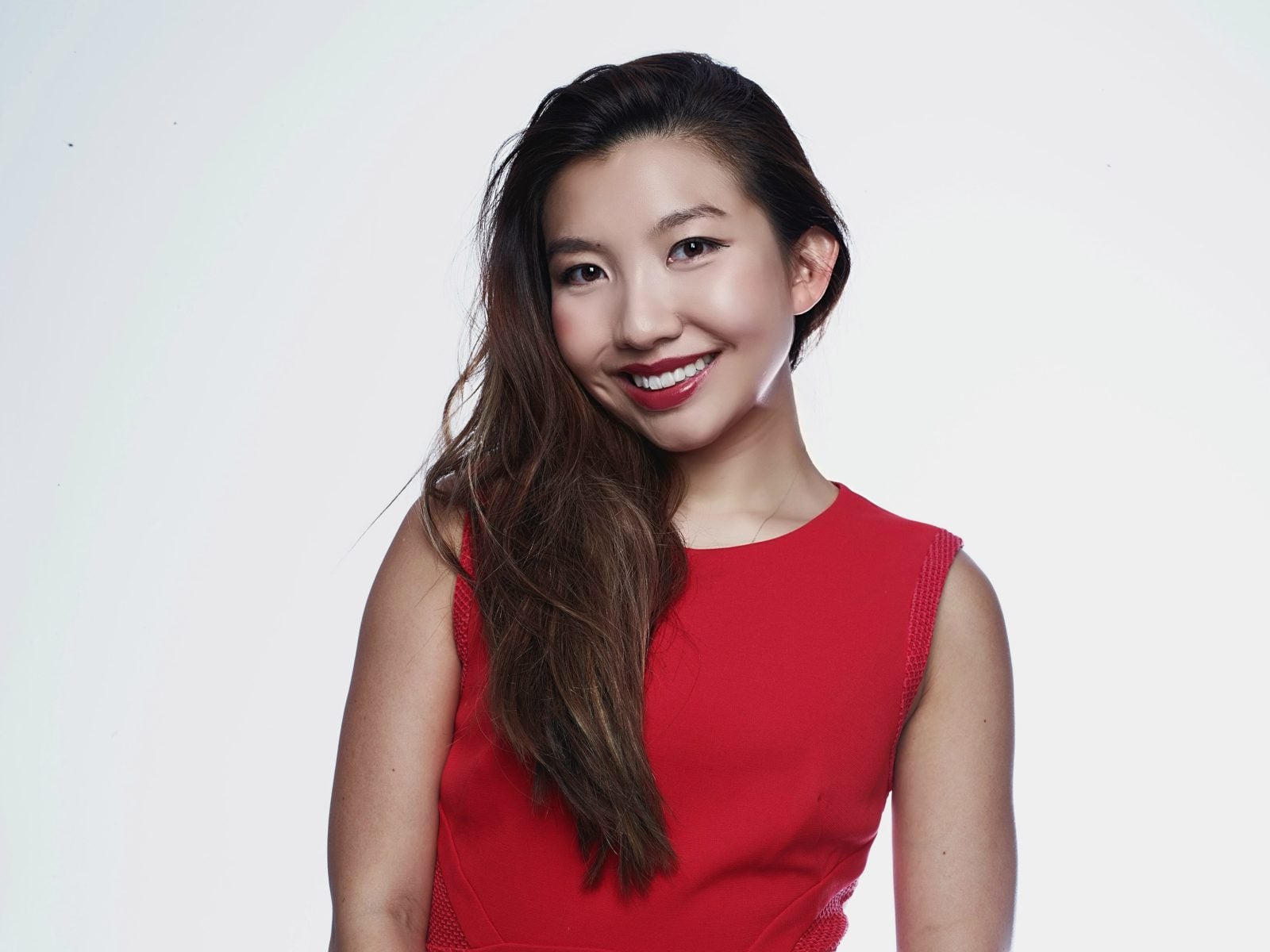
Siqi Mou is the Co-Founder and CEO of HelloAva, a tech-enabled personalization platform that helps individuals discover personalized skincare products and regimens by leveraging smart learning, AI and dermatologist expertise. Before starting HelloAva, Siqi held positions at Morgan Stanley, PIMCO, The Federal Reserve Bank of New York, and as a former Bloomberg anchor. Siqi has been named a Forbes 30 Under 30 recipient and Inc Magazine’s 30 Rising Stars Under 30, and has been featured in media outlets like the Wall Street Journal, The Cut, WWD, Marie Claire, Allure and US News.
Can you tell us the story of your first period?
I was still living in China when I got [my period] at 13, which was a little earlier than I thought. The first time I saw the blood was definitely a little scary. I would say that I was in some shock. I think I found it a little sad because I got it earlier than I expected, but I was also kind of excited because it meant I’m a grown-up now. It was a little bit of mixed emotions.
How and when were you taught about menstruation?
I had known a little bit about periods before then because my mom had a whole cabinet full of feminine care products in the bathroom, so I asked her what they were and that’s how I learned about it. But for me, I never had a formal education [on menstruation]. I asked my mom and that was the only data point I got. I was part of the one-child policy generation in China, so I didn’t really have an older sister to talk to about it. If you grew up in an environment where you have a sibling who happens to be female, then I feel like that would have been much better. But with the entire generation who grew up in China around the same time, we didn’t have that luxury. Then, when I came to Stanford for college, I realized that a lot of these women’s health and sexual health issues were more restrictive to talk about in Asian countries.
Do you believe that periods should be discussed in the workplace? Why or why not?
I think it should be a freedom of choice for whoever wants to discuss it. I know some people might not feel comfortable talking about it. However, let’s say I cannot go into a meeting because I have really bad cramps from [my period]. I feel like people should be allowed to talk about that and not feel ashamed about it. Oftentimes we see female employees have to lie about it and make up another discomfort because they are so afraid of referring it to period symptoms. Whoever has the period should reserve the right to decide what makes [them] feel comfortable because, at the end of the day, it’s not about what is allowed and what isn’t allowed, it’s whether or not they are comfortable talking about it. I do think it’s important to make employees feel free to talk about it, because [symptoms like period cramps] are a legitimate health reason to say no to commitments, postpone meetings, or say, “Can we just [take a] raincheck?”
How do you think organizations can create a supportive and inclusive environment for employees to talk about menstruation at work?
People always talk about being vulnerable as a leader is a very effective tool, but that shouldn’t just be restricted to your business challenges, past mistakes, or mental emotions. I feel like it could be expanded to other parts of your life. For example, menstrual health is one of them and your skin health could be another. “I’m breaking out today,” is being vulnerable, and so is saying something like “I’m having the worst cramps today.”

Can you share examples of successful initiatives or practices from organizations that have effectively addressed menstruation-related issues in the workplace?
In the last few years of running HelloAva, one of the biggest ways to inspire people to talk about [certain issues], making it normalized and showing [one’s] vulnerability that truly connects a lot of people is through personal stories. The second year we started the company, we saw that there was this influx of feedback from people on how they were feeling not very confident about their own skin. They feel like HelloAva, as a platform, has given them the opportunity to not only keep that regimen for their skin, but also adjust it once their skin goes through changes. So, we showcase the stories of how they felt before and how they feel now, even sometimes showing their skin from before and after and how effective their skincare regimen has been. If you do the same thing with periods, I feel like that is even more powerful because there are so many people that have gone through challenges and if they can share their story, it will encourage people to talk about it. There’s nothing more powerful than women knowing that other women are going through the same [experience]. When we started to post these blogs of one or two stories, there were all of these women who were like, “Wow, I didn’t know I could share my story, too.” If you get other women to talk about it, then it builds this confidence that it’s safe for you to share.
Do you believe there is a generational shift in attitudes toward discussing menstruation in the workplace, and how can organizations adapt to these changing perspectives?
Absolutely and culturally as well. I think Western culture is more open about talking about these things, which is awesome, and I find that very liberating for me, whereas Eastern culture is much less. It’s really different in terms of geography, just like it is for different generations. I see a better future which is one that enables more knowledge sharing and more comfort in terms of freely expressing yourself so that people can share these stories. When I was at Stanford, I was shocked that there was a class offered in our Vaden Health Center about women’s health (which covers the topics of menstruation, sexual health, mental well-being, and family planning) and I was like, wow, I did not have any of this formal education in China and I was like, let me take this. I took it and it was one of the most incredible and informative classes I’ve taken. I found it so empowering, and I still have notes from there [that] sometimes I refer back to.
What advice would you give to professionals or leaders looking to initiate a dialogue about menstruation in their organizations?
I think a lot of this has to come from the founder herself. If you’re a female founder or CEO, there’s nothing more empowering than sharing your own story. And I know it’s not for everyone. Not every female founder in my inner circle is going to feel comfortable sharing their own menstruation story because everyone’s comfort level is different. But this is probably the most effective tool because when [employees] see their boss talking so openly about [periods], then it gives them the green light to talk about it.