
Interviewed by Meaghan Sullivan, Google Workspace Marketing Customer Programs Lead
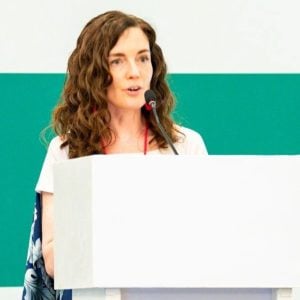
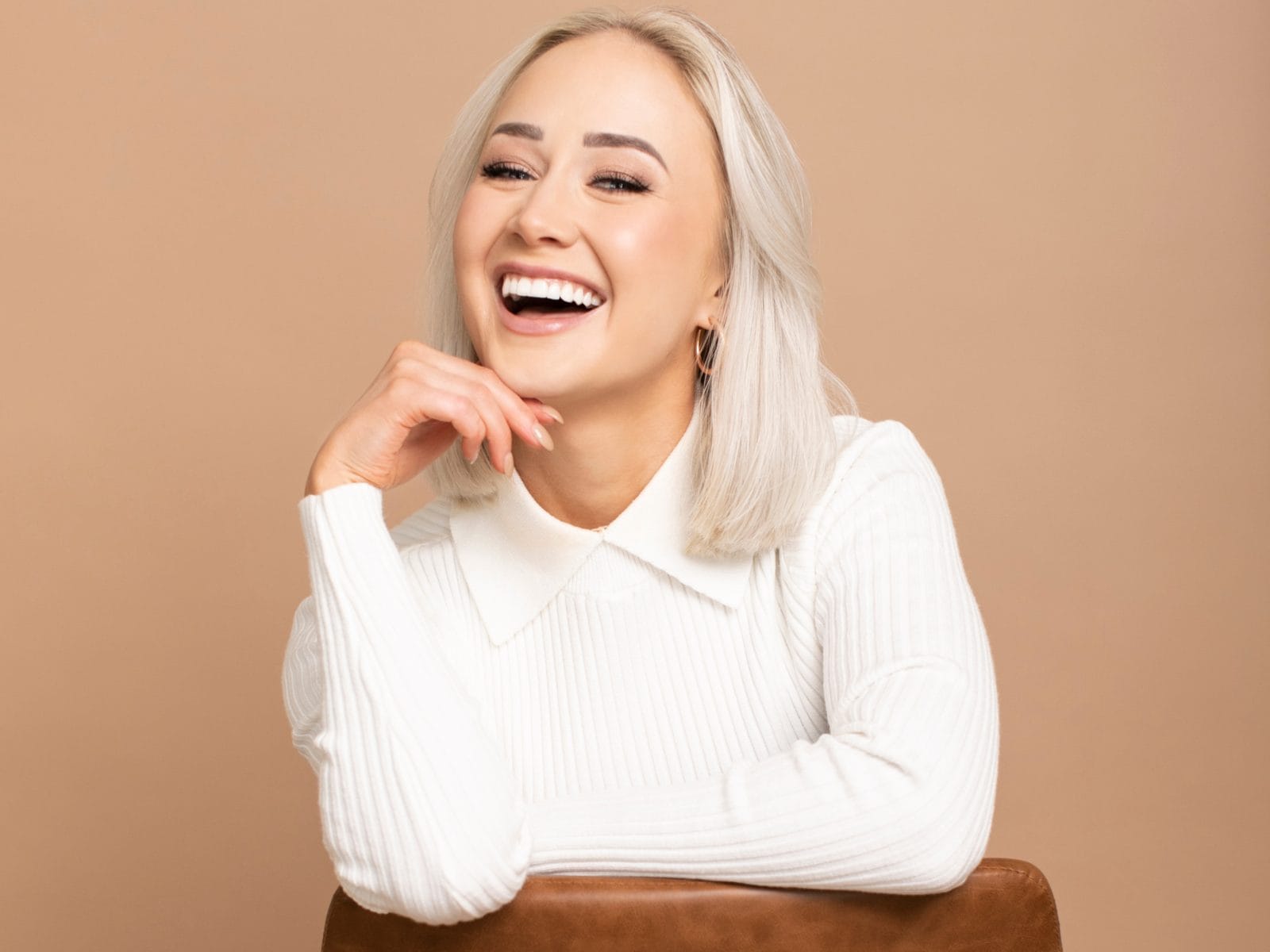
Paige Hope is the Founder and CEO of Elan Pure, a pioneering non-toxic wellness and beauty brand dedicated to helping people reclaim their energy and confidence. Paige’s e-commerce journey began as an early-stage leader at a tech startup, where she helped build an influencer/creator technology platform to empower brands to connect with their customers. When they sold to Pattern, a global e-commerce accelerator, Paige deepened her passion for developing products and growing brands.
After her sister’s diagnosis with Graves’ disease and Paige’s own hormone challenges, she began to investigate the impact of everyday toxins on our health—especially on hormone balance and well-being. This journey led Paige to create Elan Pure!
Elan Pure’s mission is to help people reclaim their energy and confidence by taking control of their wellness. Paige’s lifelong passion is to empower others to become their most confident, energetic selves so they can pursue their own dreams.
Can you tell us the story of your first period?
I was only 11 years old! I don’t remember the very specific instance of when I first started my period. However, I remember that ever since day one, I had hormone challenges. Back then, it was really taboo to even talk about. It was also “super normal” to have cramps, acne, and other hormone challenges. When I got my period, I actually had crazy bacne. I was a dancer growing up, and my mom would have to put this really intense clay-like foundation all over my back. It wasn’t until I was in my mid-20s that I really was like, “Oh, this actually isn’t super normal.” With Elan Pure, I’m trying to educate others about that.
I think a lot of us think that our acne and cramps must just all be a general part of one’s period. It seems like that was part of your experience as well, and we tend to not even question these things.
Yes, exactly! I remember there were so many times I’d have my mom pick me up from school because my cramps were so bad.
When were you first taught about menstruation?
I don’t think I was ever taught. I always knew what pads looked like from having older sisters, but I’d say I was self-educated. I do remember being at a friend’s house, and her mom was showing us how to insert a tampon. It wasn’t even my own mom! Truthfully, I think my own mom felt uncomfortable talking to me about it.
What are some misconceptions you had or maybe still have around periods?
Okay, this is such a good segue. I too, like Ciara Commins mentioned on the blog before, believe in cycle syncing. Before I got into cycle syncing, especially on the business side, I thought it was taboo. I was in the tech industry for a long time, so it was typically me in a room full of men. I always thought that, regardless of the [menstrual cycle] phase, I had to be on all the time. I had to be operating at the highest level all the time. I had to go to the gym every single day. I thought that it didn’t matter if I was on my period or not because that’s what you learn in the fitness industry, and that’s what you learn as a woman in corporate America when you’re working in big tech.
Can you talk to us a bit more about the importance of cycle syncing for you, especially in business?
It wasn’t until I started to understand the power of being a woman and learn how to optimize for each phase that I realized the importance of cycle syncing. For my own hormonal imbalances, I learned that working out on my period puts more stress on my body. So I was actually doing the opposite of what my body needed whereas the fitness industry tells you to rarely take days off and to not use anything as an excuse, especially your period. In my case now, I really do believe that less is more. I am taking care of my body, I go to the gym a few times a week and I fuel my body really well. But I also eat for my cycle and do business for my cycle. My team always laughs because I will only do photoshoots when I’m in my follicular phase or ovulation phase. Even the men on my team know my cycle to a T. It’s important to me because, as the founder, I have to show up. Our ethos at Elan stands for energy and confidence, and the follicular and ovulation phases are the two phases where your energy levels are rising. That’s when you’re going to be your most energetic and confident self. So, on camera, I need to be operating during the two phases that I feel really good in so that we can put our best foot forward.

I think these are the types of things that we need to know more about because it’s crucial to know how we can take advantage of that power during our menstrual cycle. Do you believe that periods should be discussed in the workplace? Why or why not?
100%, and I will tell you the main reason comes down to comfortability. It’s not just women who need to feel comfortable, men also need to feel comfortable when talking about periods. They shouldn’t get all squirmy and weird when you say you’re on your period! It should be a simple conversation, like rolling off the tongue. For me especially, I do hire a lot of women so it’s a super normal conversation among us. If we’re on a call, I have a gal who may have her camera off that day because she just started her cycle. Totally fine, no stress!
What steps have you taken to normalize the topic of menstruation at Elan Pure?
The biggest thing that I’ve implemented is a flex day once a month, and it’s for the men and women on our team. There are days when they may realize, “Hey, I’m not going to be very effective today,” so they can take that flex day. As someone who has dealt with hormonal imbalances, I’m doing everything I can to just always continue to be as balanced as possible and give my team members that flexibility. I’ve learned that, if you want to retain loyal team members, you have to give them the same respect that you give yourself.
What advice would you give to someone looking to initiate dialogue about menstruation within their organization?
It has to start with one person, and then it’s just a domino effect. What I’ve found to be useful is having an ally of the opposite gender. The more you openly talk about it, the more that these types of conversations just become part of the [company] culture. When you have all of your allies around, [talking about periods] can quickly become the norm.
Allyship is so important. Do you believe there is a generational shift in attitudes toward discussing menstruation in the workplace, and how can organizations adapt to these changing perspectives?
It’s an interesting question because I think every organization is going to be so different. I think there’s this shift happening across the board, and it comes down to full transparency. People want to be their most real, genuine selves and they want to show up authentically now more than they ever have [in the workplace]. With that, folks feel comfortable not only talking about menstruation but even topics like their mental health. I think, as the culture continues to shift, it’ll be important to continue being open to other people.
What are some of the potential benefits, both for employees and organizations, when menstruation is openly discussed and supported at work?
One of the initial benefits is that employees will feel tied to the mission more when you give them the same respect that you give yourself. I believe in full transparency and autonomy because my team members are building this brand with me. I couldn’t do this alone. When you give your employees autonomy and respect, the first thing you’re going to notice is they genuinely care. I see this with my own team ⸺ They go above and beyond. However, the leader of any organization has to put in the extra work to ensure that their employees all feel like they have the same level of value and respect.