
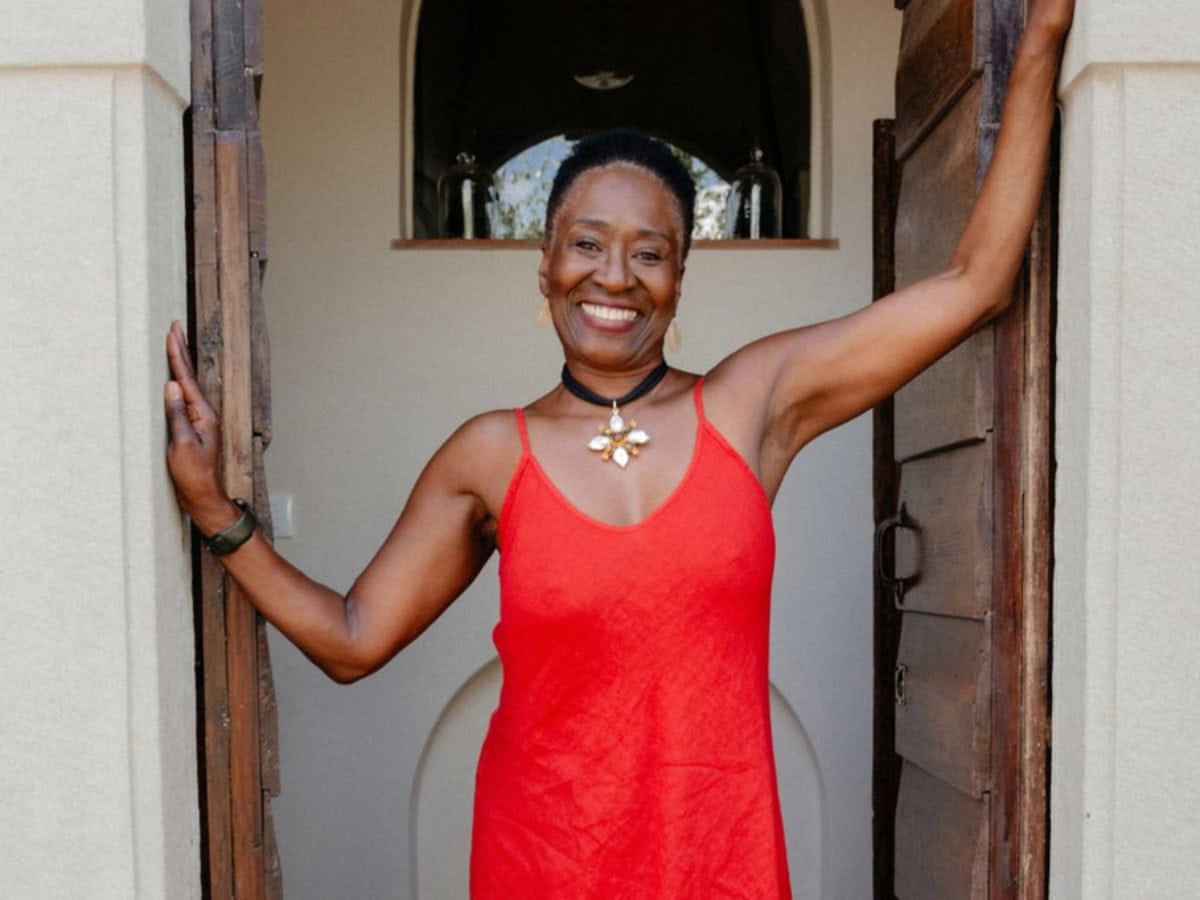
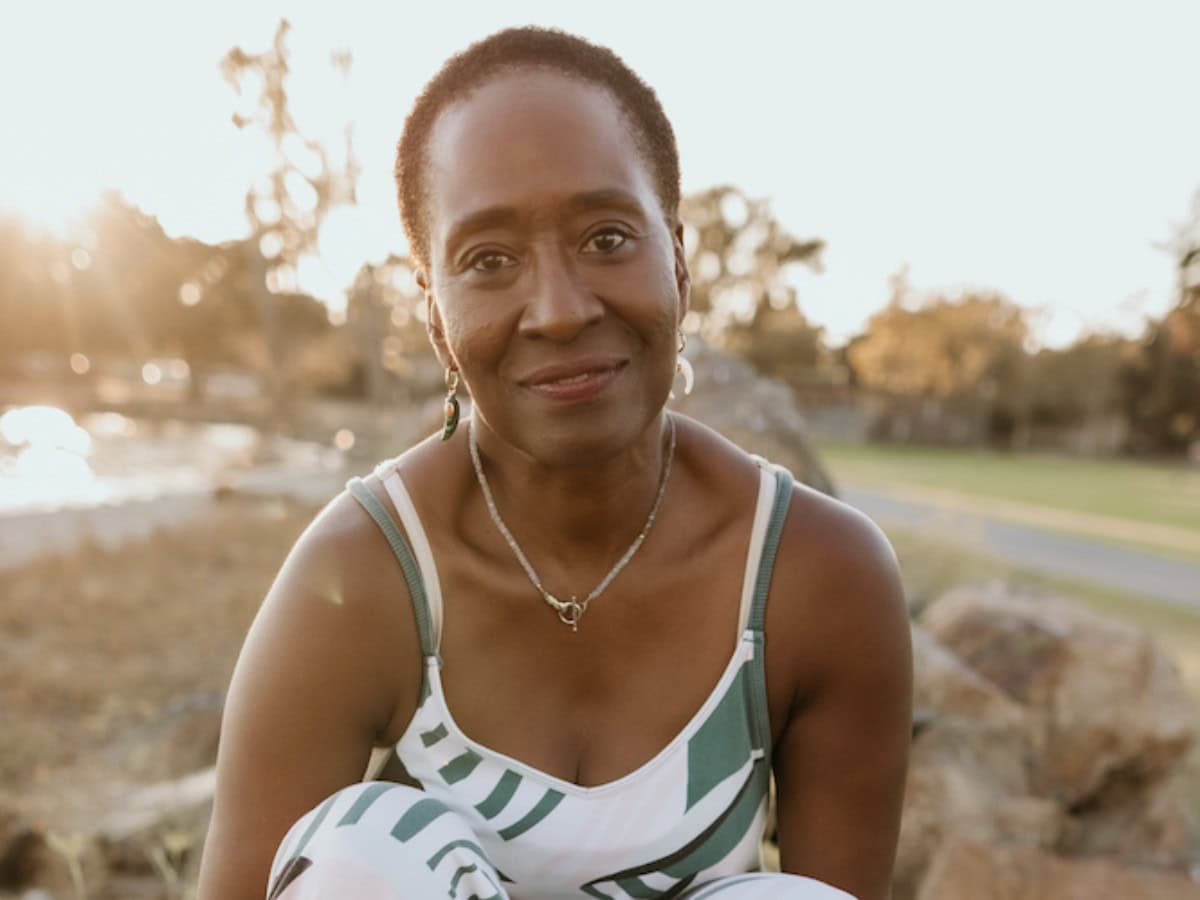
Cynthia Hester is a former tech executive turned certified health coach and fitness trainer, with over four decades of experience balancing high-performance leadership with a commitment to wellness. Today, she helps others achieve sustainable, holistic health through personalized coaching and lifestyle support.
From outdated misconceptions to the power of education and workplace support, Cynthia shares her perspective on how far we’ve come and where we still need to go.
Can you tell us a bit about yourself and what you do?
I’m based in the Bay Area and spent most of my career in tech, including roles at Google and Salesforce. Recently, I made a shift and now run my own health coaching and fitness training practice.
My approach is very holistic. I look at sleep, stress, nutrition, movement, strength training, hormone health, and overall lifestyle. It’s not about quick fixes. I help people make sustainable changes that actually last. I’ve always been passionate about fitness and women’s health, so this work feels like a natural extension of who I am.
How and when were you first taught about menstruation?
I learned about it at school, probably in sixth grade. We had to bring home a permission slip to attend a class, and I remember asking my mom what “menstruation” even meant. We had a very short conversation—so short that I don’t even remember what she said—and the class itself was maybe a day or two. I remember going through the class, and they showed us a movie, diagrams of the fallopian tubes, and all of that.
That pretty much was the beginning and the end of any formal discussion around menstruation. Everything else I learned came from friends, which, honestly, is probably the most dangerous source of information for teenagers.
What were some misconceptions you had about periods growing up?
There were a lot. Things like not being able to swim, not being able to play sports, or certain foods you shouldn’t eat. PMS was stigmatizing, since girls were often teased about their moods, especially if they were cranky or expressed strong feelings. That’s when you heard things like, ” Are you PMSing?”
And then there was the language-like “are you on the rag?” which is just so dismissive and negative. At the time, it felt normal, but looking back, it really contributed to shame and stigma.
What’s the first word that comes to mind when you think of menstruation now?
Reproduction. I think about this stage of life. This is fundamental to how humans exist. That wasn’t the message I got growing up, but now, that’s how I see it.
Do you think open conversations about periods should be encouraged in workplaces?
Absolutely. The more education and openness we have, the healthier our communities will be.
Menstruation is tied to so many aspects of health, like hormones, sleep, mood, and fertility.
When we don’t talk about it, people don’t have the information they need to make informed decisions about their bodies. And honestly, we do young women a disservice when we keep it hidden. It contributes to the narrative of shame around our bodies and women’s health and wellbeing.
How can workplaces foster more supportive and inclusive environments around menstruation?
A great starting point is providing free period products in restrooms. It sends a clear message: “We see you, and we support you.”
Beyond that, it’s about creating a culture where people don’t feel ashamed. Something as simple as being able to say, “I need to go home, it’s the first day of my period,” without fear of judgment would make a huge difference.
What are the benefits of normalizing these conversations at work?
When people don’t feel like they have to hide a part of themselves, they show up differently. They’re more confident, more engaged, and more productive.
Shame and secrecy take a toll. When those are removed, people can actually focus on doing their best work. There’s a real impact, not just on individuals, but on company performance as a whole.
Do you think there’s a generational shift happening?
Definitely. Younger generations are much more open. They’re removing the stigma and having honest conversations.
It’s refreshing and empowering. Just knowing you have the space to talk about it gives you power.
What advice would you give to someone who feels uncomfortable talking about their period at work?
Start small. You don’t have to share everything, just what you feel comfortable with.
Begin with those in your trusted circle and build from there. Over time, those small moments of openness can create a ripple effect and make it easier for others to do the same.
What about leaders? How can they start these conversations?
I would start by framing it around reproductive health and overall well-being.
When you position menstruation as part of a bigger conversation about health, life, and support, it becomes more inclusive and easier for people to engage with. It also helps bring everyone into the conversation, not just menstruators.
Any final thoughts?
At the end of the day, this is about health, dignity, and understanding our bodies. The more we talk about it, the more we normalize it, and that benefits everyone.