

Interviewed by Meaghan Sullivan, Google Workspace Marketing Customer Programs Lead
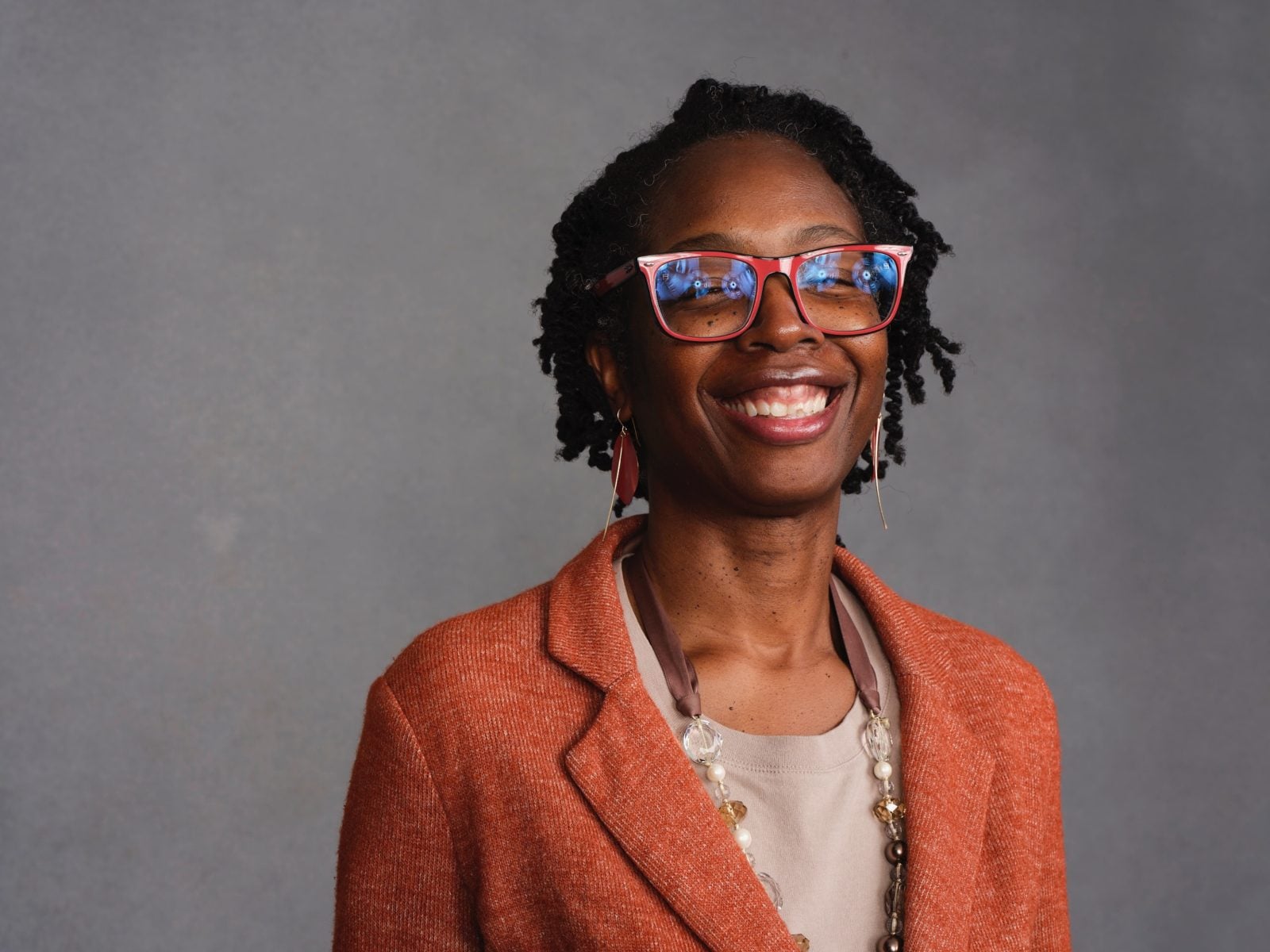
Bunmi Esho is the founder of Ori Consultancy, where she centers the value of everyday STEM for K-12 learners and their families. She was most recently part of the leadership team at the Endless OS Foundation, a global tech nonprofit focused on digital equity. Prior to EOSF, Bunmi held various nonprofit leadership roles in California and Southeast Asia. An active philanthropist and community leader, Bunmi is committed to empowering youth to see themselves in STEM as a STEM graduate herself.
We’re so happy to have you here, Bunmi! Let’s dive into our first icebreaker question. Can you talk to us about when you got your first period?
I actually got my period for the first time around 11 or 12 while my family and I were living in Nigeria. My mother sat me down, explained what I was experiencing and said “Now, you’ve entered womanhood.” Then the next month, there was no blood. So by the time I started having my period regularly, I had already had the talk. Being in Nigeria, I was going through the process of going to boarding school. To be away from home and having your period was an experience in itself.
Can you dive into your experience of being at boarding school and dealing with your period away from home?
Going away to boarding school was part of the reason why my mother was so anxious to guide me through and tell me everything I needed to know [about menstruation] before I left home. I did go to a girl’s boarding school, so there were a lot of female teachers as well as girls my age who were there and going through the same experiences. It wasn’t until I came back to the U.S. and began attending a co-ed high school that I realized how amazing going to a girl’s boarding school was. Being part of an all-girls school community was something that really gave me the confidence that I didn’t know I even needed at that time. It was really profound being amongst people who not only shared the same experiences as I did, but who were people I could actually share what I was going through with.
Do you believe that periods should be discussed in the workplace? Why or why not?
Absolutely. It’s important for those who are in leadership positions to [create a safe space] to bring it up and break the ice to say, “Let’s talk about something that actually affects half of the population.” Talking about periods may be something that might feel intimidating for those who experience it. So, as a leader, it’s important to approach the topic, list out the accommodations and be open to any ideas as to what your team members would need to feel comfortable.
I love that you brought up the importance of talking about periods as a way to understand and ask questions about what someone might need or what they are going through. Do you have any thoughts about how organizations can create a supportive and inclusive environment so that employees can talk about menstruation at work?
Just like there are guidelines and policies relating to parental leave and other family accommodations, [menstrual leave] could be automatically added as a policy. Time off is a huge thing, especially if you’re experiencing [painful] periods that would impact your work. With those policies, I think there’s an opportunity for a larger discussion around periods. It’s one thing to have the policies in place, but folks who don’t [menstruate] are not going to recognize its impact. So, maybe even part of that policy is for us to better support and create an open space for dialogue around [the topic of menstruation]. When we’re thinking of discussions that we have during Women’s History Month or other events like that [in the workplace], menstruation can be part of those conversations.
It’s super important to be educated and understand what your co-workers are going through. I like the point you brought up about weaving the topic of menstruation into other initiatives in the workplace. Why not bring menstruation into those pre-existing conversations?!
To me, what has been fascinating over the years is that when I first started in the workplace, it wasn’t even a thought [to provide products], and you just had to figure it out. But what’s always been interesting to me was how this wasn’t done in schools. It’s traumatic for a young menstruator who is on their period and doesn’t have access [to period products]. Providing these products should be a no-brainer for all schools and all school districts. After all, the first workplace we all experience is our school. If we start with free period products in schools, that then enables those who menstruate to be vocal about their experiences once they enter the workplace because they’ve already received that support at such a young age.
Definitely! Before these young menstruators even enter the workplace, they need to be able to confidently show up to school every day and have period products accessible to them. Speaking of the younger generation… Do you believe that there’s a generational shift in attitudes toward discussing menstruation in the workplace in our communities? How can organizations adapt to these changing perspectives?
There’s completely been a shift, yes. [Menstruation] was not really talked about when I was first starting up in the workplace. I would say the best way for organizations to adapt to these changing perspectives starts with listening. If workplaces want to be in tandem with their employees, then they really need to have listening sessions and determine what is top of mind. It’s important for organizations and leaders to ask themselves, “What can we do to make sure that we are in sync with our workforce?”