
Interviewed by Meaghan Sullivan, Google Workspace Marketing Customer Programs Lead
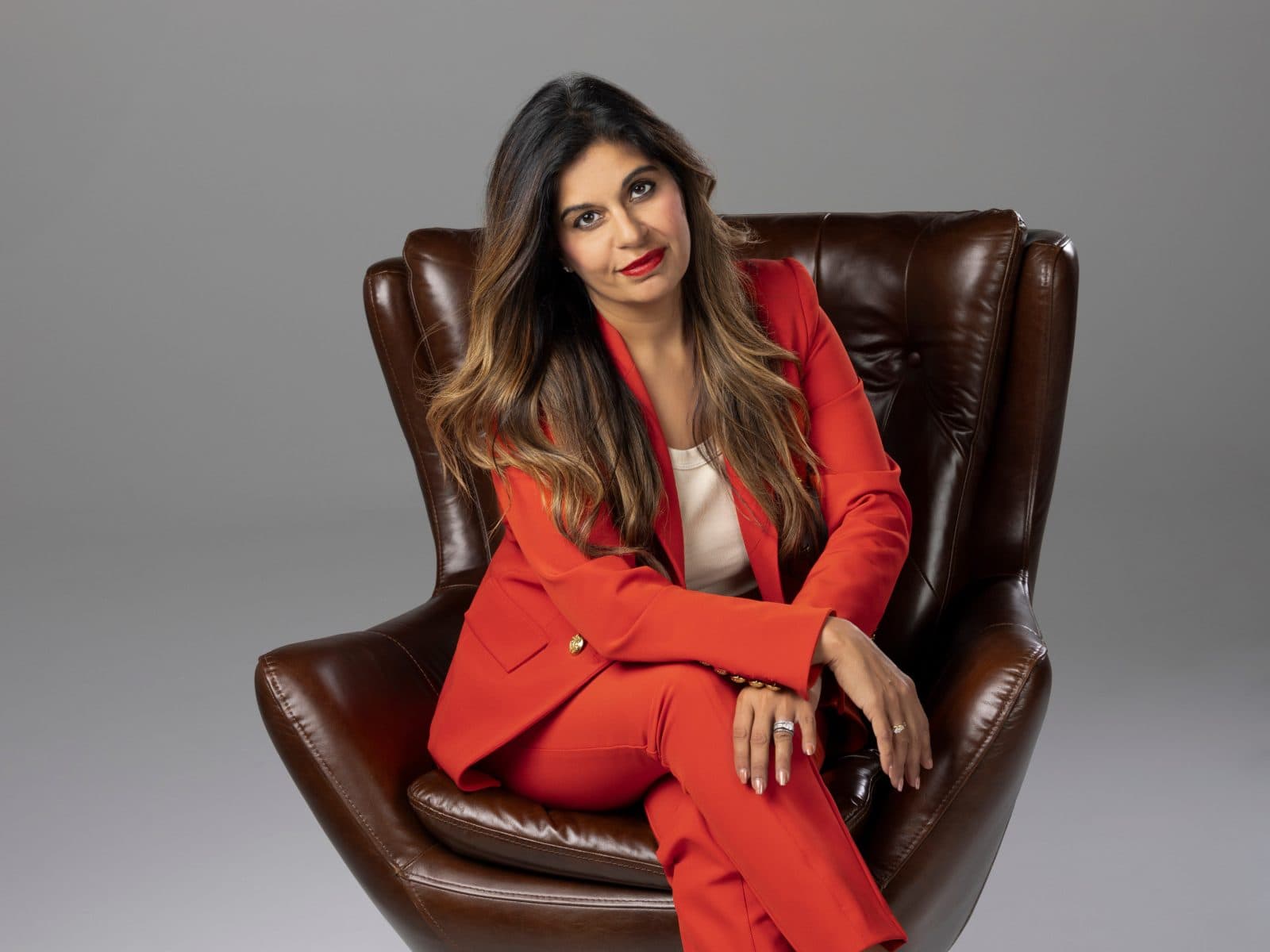
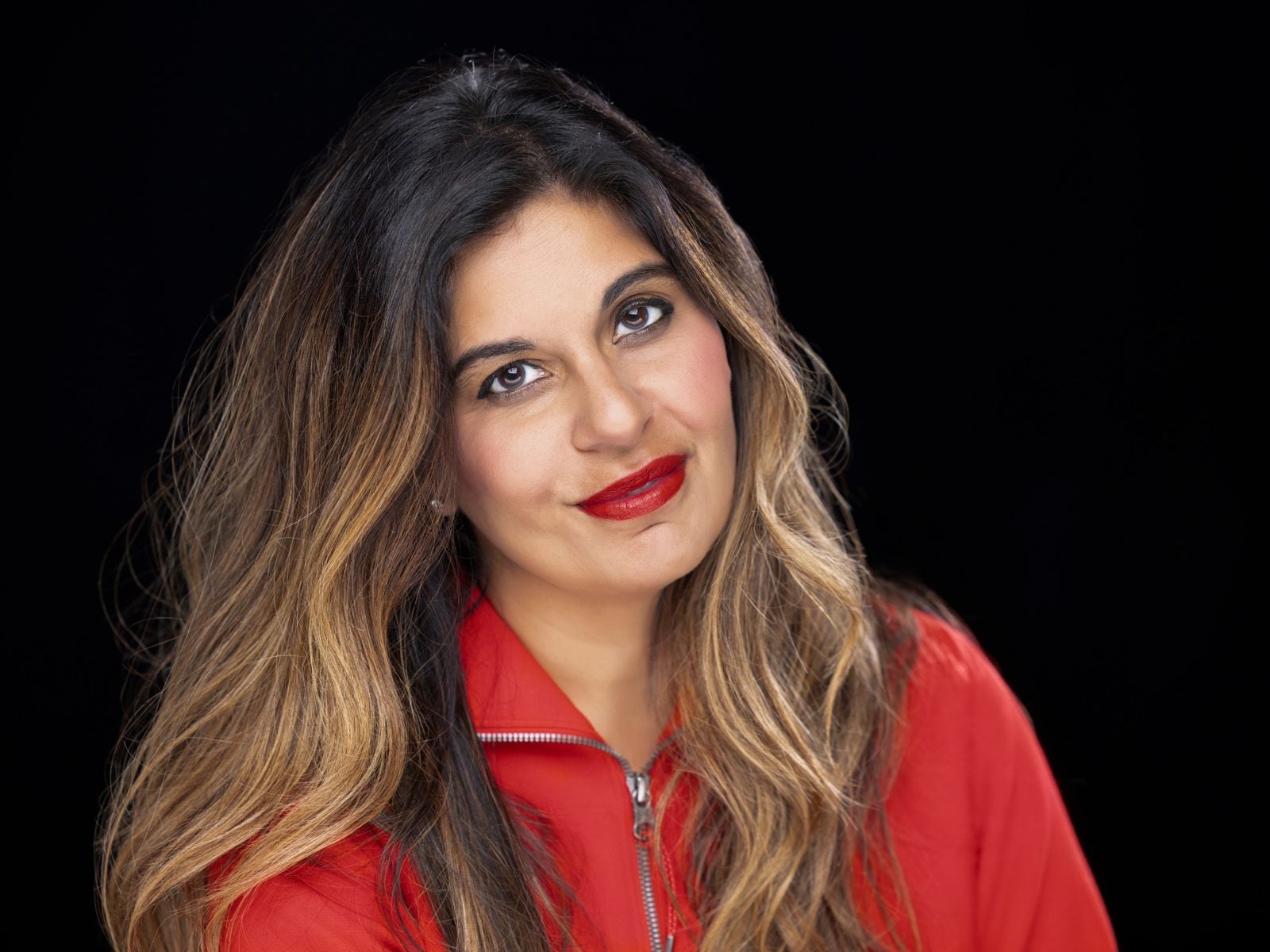
Dr. Somi Javaid is a board-certified OB/GYN, women’s healthcare advocate, and menopause and sexual health expert. She is a mother of three and the Founder of HerMD, a company that is revolutionizing women’s healthcare by providing easy access to gynecology, menopause and sexual healthcare in an integrated in-person and virtual setting.
Can you tell us about your first period?
It is actually a very hysterical story. I grew up in a conservative Pakistani household. At the time, my mother and father were actually out of the country. I was with our family babysitter when a family friend and I went to the bathroom because my stomach was killing me. There was blood, and I did not pass out or freak out because, thank God, I had read Judy Blume’s book, Are You There God? It’s Me, Margaret. So I knew what was happening, but I didn’t know how to use a pad or a tampon. So I had to get my mom’s friend to help me. She then gave me a giant hug and said, “Welcome to womanhood!” and then offered me ibuprofen. When my mother got back, I was like, “My God, you didn’t prepare me for this!” She couldn’t believe [I had started my period so young] because, apparently, my mom was 15 when she first got her period, and I was 12. Thank god I was an avid reader.
I love the “Welcome to Womanhood” at the age of 12! Do you remember how and when were you first taught about menstruation?
It was a couple of different ways. Obviously, when my mother got back, she talked to me about what was going on with her cycle. My friends and I also talked to each other about [our periods]. Unfortunately, I had a lot of menstrual problems very early. It’s ironic that I ended up becoming a gynecologist. I went to the gynecologist at 13 or 14. What later was discovered as polycystic ovary syndrome (PCOS), causing long periods of no ovulation and no cycles, along with heavy bleeding, was making me miss school, bleed through my clothing, and have irregular periods. I remember my mother taking me to the gynecologist because we got to the point where I was so anemic that we were either going to have to get me on birth control or somehow control my cycles. I was placed on medication first — Provera, which didn’t work. So then, I was placed on birth control pretty young. I remember my mom saying, “Don’t tell people you’re on birth control. People will assume you’re having sex.” That stuck with me because I felt like I had to hide my birth control. But for me, it was a lifesaver because it controlled my cycles, I stopped bleeding through my clothing, and I stopped missing school. All that’s to say, [learning about menstruation] was a multi-step education for me.
I, too, had similar issues with my period early on. When my doctor told me that birth control can help regulate my cycle, I remember thinking to myself, “No, this seems off because I’m not having sex.” I was so young, but that attitude comes from society and even one’s family or community when in reality, birth control is meant to be something that can help us.
In a lot of communities, families, and cultures, we either tend to normalize menstrual pain or the heaviness of [one’s period]. As a board-certified gynecologist, what I often see as a result of normalizing these symptoms, are profound delays in diagnosis. We already have so many barriers to care including but certainly not limited to women’s pain being dismissed, gender bias, or the lack of data, research, and female decision-makers. But then if you add the fact that we are also doing it to ourselves, I see it with delays in diagnosis of fibroids and endometriosis. When you ask people, “Why didn’t you come to see me sooner?” it’s most likely because they thought it was normal.” All the women in my family have really heavy periods, and I was told that this is just normal.” The one thing that I am very grateful for is that, even though my mom was out of the country when I first started my period and didn’t prepare me, she got me into the gynecologist right when she started noticing that I was having issues.
Are there any misconceptions you had about periods before you became a gynecologist?
I didn’t really have any misconceptions about menstruation itself because I didn’t know anything literally other than what I learned from the Judy Blume book. I did about [period] products, though. I had heard and believed that you couldn’t use a tampon until you were married, but that’s it as far as misconceptions go.
For you, what’s the first word that comes to mind when you think “menstruation”?
PMS! There are three women in this household. I’m proudly perimenopausal, so I’m still menstruating. On top of that, I have my two teenage girls, and we’ve all synced up. So there’s a lot of hormones [between the three of us] at certain times of the month.
Do you believe that periods should be discussed in the workplace? Why or why not?
I absolutely believe that menstruation and periods should be discussed in the workplace — even at universities and schools — for a multitude of reasons. Number one, it’s normal. It’s a physiologic function. It’s inevitable for most of us that we are going to menstruate. When we don’t discuss it and normalize it, it can lead to losses in the workplace both for the employer and the employee.
How do you think organizations can create an environment that is supportive and inclusive for employees to talk about menstruation or their periods at work?
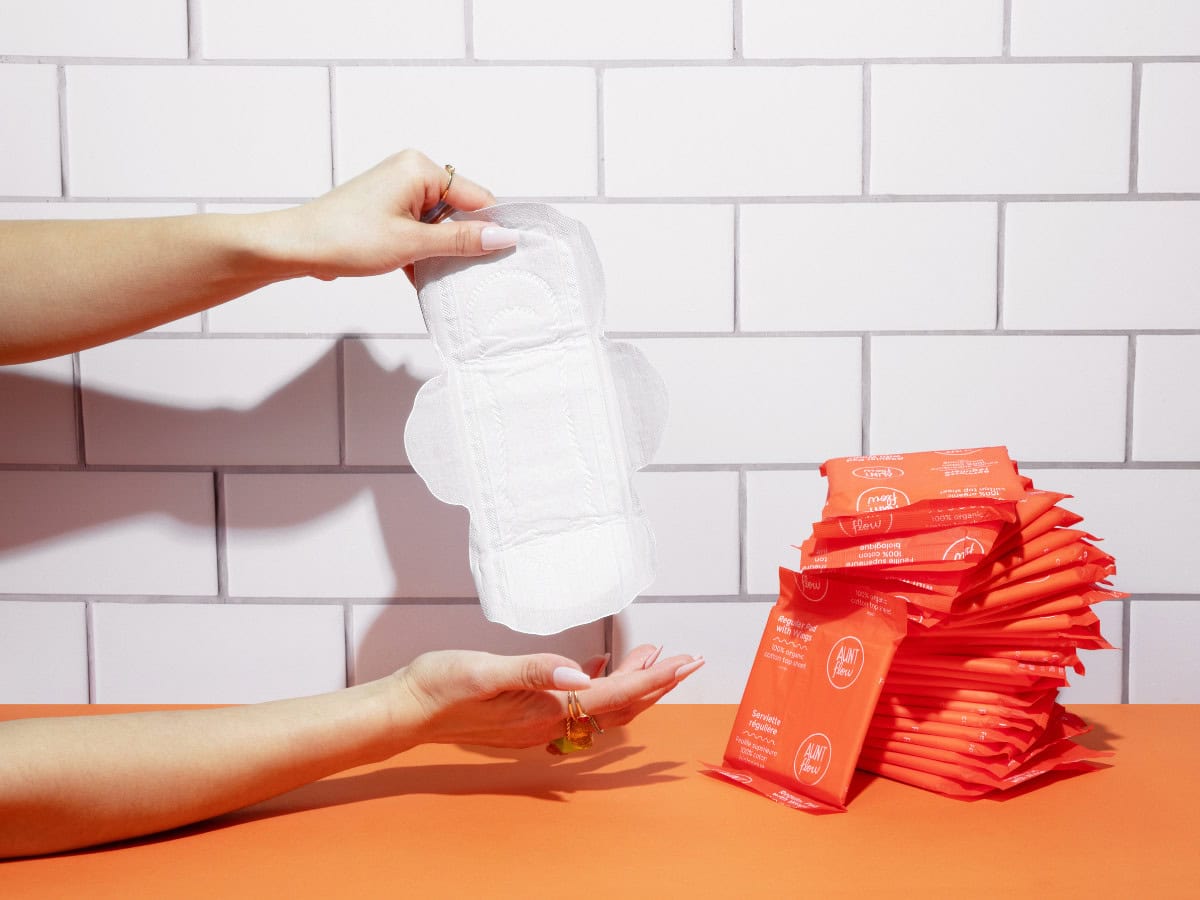
I think the first thing is just having the products accessible in the bathrooms and not putting it on the employees to have to bring [pads and tampons] with them. When I walk into a place, and I see period products, I automatically think to myself, “This is a place that is supportive of women and inclusive.” The second thing is making sure you have enough bathrooms at your organization. I can’t tell you how many women will say, “There’s not even a bathroom on my floor for the gender that I identify with.” So they stay home because they worry about bleeding on themselves while trying to get to the bathroom or not being able to have a place to change. I think the third thing is having educational events around women’s healthcare. I feel like those kinds of events help promote a healthy work environment.
Also, I would love to see dedicated spaces where women can get telehealth appointments. That is something I have yet to see. I want to see it in the workplace for [topics like] menopause and endometriosis because there is such a profound wait to get into a gynecologist if you’re not pregnant. A lot of women experiencing heavy bleeding will just delay [making an appointment] and end up with anemia, needing transfusions or God forbid have to be hospitalized, [which leads to them] missing a lot of work. If we just provided women a place where they could have a private 15-20 minute telehealth appointment, I think that that would be so amazing and empowering for women that they could do that while they’re at work and get the diagnosis and treatment that they needed.
Are there any other policies or examples of initiatives that you think are essential for organizations to effectively address these issues in the workplace?
Women, patients and individuals are demanding data. They want information. They want education, and they deserve it. I think having programming available, having access to period products, having access to the experts on those health topics and lastly, having empathy really helps to create those open lines of communication.
What are some of the benefits, both for employees and organizations, when menstruation is openly discussed in the workplace?
I know for a fact that, after listening to women for two decades, they miss work due to pain during their cycles, heavy bleeding or even severe PMS. Obviously, if a woman is suffering with [something like] menstrual cramps or undiagnosed fibroids, she’s either going to miss work or she’s not going to be as productive. So, if you have a safe and empowering workplace, you will not only attract but retain top talent and keep them productive and happy. That is why it is so important [to discuss menstruation openly in the workplace] because you’ll keep your good people and you’ll attract good people in return.
It seems like such a simple gesture, but employers may not realize exactly how meaningful it is to foster those open discussions.
I think even if a company could get [their employees] discounts on things like period underwear, cups or discs, that would go a long way as well as providing tampons and pads in the office. A lot of companies have that power, right? They get you discount tickets to amusement parks and things like that. Why can’t they get you discounts on menstrual products? It shouldn’t be a luxury to have access to affordable menstrual products.
Absolutely agree. So, what advice would you give to an individual who feels uncomfortable discussing their menstrual health or needs with their employers or colleagues?
It’s going to take all of our collective voices. Somebody’s going to have to speak up. Right now, the big revolution we’re seeing in women’s healthcare is because everybody — researchers, politicians, providers, patients, celebrities— is finally on the same page, saying “This cannot continue.” We’re all looking at the same problem from a very different perspective. The same thing has got to happen in the workplace. If you have a champion within your organization, that’s all you really need to [start the conversation]. It just takes that one brave person who’s willing to take that first step and either bring in an expert or partner with a brand.
What advice would you give to professionals or leaders looking to initiate a dialogue about menstruation in their organizations?
I always tell people who are going to lead these discussions to check [their] own pulse and discomfort levels first. If you’re going to be uncomfortable with the topic, this kind of conversation is not going to work. If you’re going to be uncomfortable with the word vagina or [discussing female] anatomy, then maybe you shouldn’t be the one leading this. I think you have to get over your own stigma, taboo, shame and bias that you have. The more comfortable you are as part of this [discussion], the more comfortable those around you will be. That’s the first thing I learned as a surgeon. We learn that, before you’re going to [treat someone], you have to make sure you’re comfortable yourself. So that’s my advice.
I love that. Is there anything else that you would like to share with us on this topic or related to the work that you’re doing that we didn’t get to?
My biggest piece of advice as a gynecologist is please do not leave your tampons in for more than eight hours even if you are embarrassed or you don’t have access to a bathroom, because toxic shock syndrome does still exist! It’s less common today with improved products, but do not do that to yourself. I always tell people to not leave tampons in longer than they should and always choose the appropriate absorbency or the right [period product] for your flow. That will reduce the risk of other adverse outcomes that can come about from stigma, taboo and shame surrounding menstruation.