
In recent years, conversations around menstruation have gained momentum, breaking the age-old taboos and fostering a more inclusive society. As part of this movement, it’s essential to address the topic of menstruation in sports.
Yet, female athletes face unique challenges during their menstrual cycles, which are often overlooked or ignored due to period stigma.
Understanding Period Stigma
Period stigma is the societal shame, embarrassment, and silence surrounding menstruation. It can manifest in various ways, including myths, stereotypes, and taboos. In the context of sports, period stigma often leads to a lack of awareness, support, and accommodations for female athletes.
The Impact on Female Athletes
Research shows that, by the age of 17, 51% of girls will have quit playing sports, a much higher rate than boys. Puberty, and consequently, the start of one’s period, is a time when a girl’s participation in sports falls off dramatically.
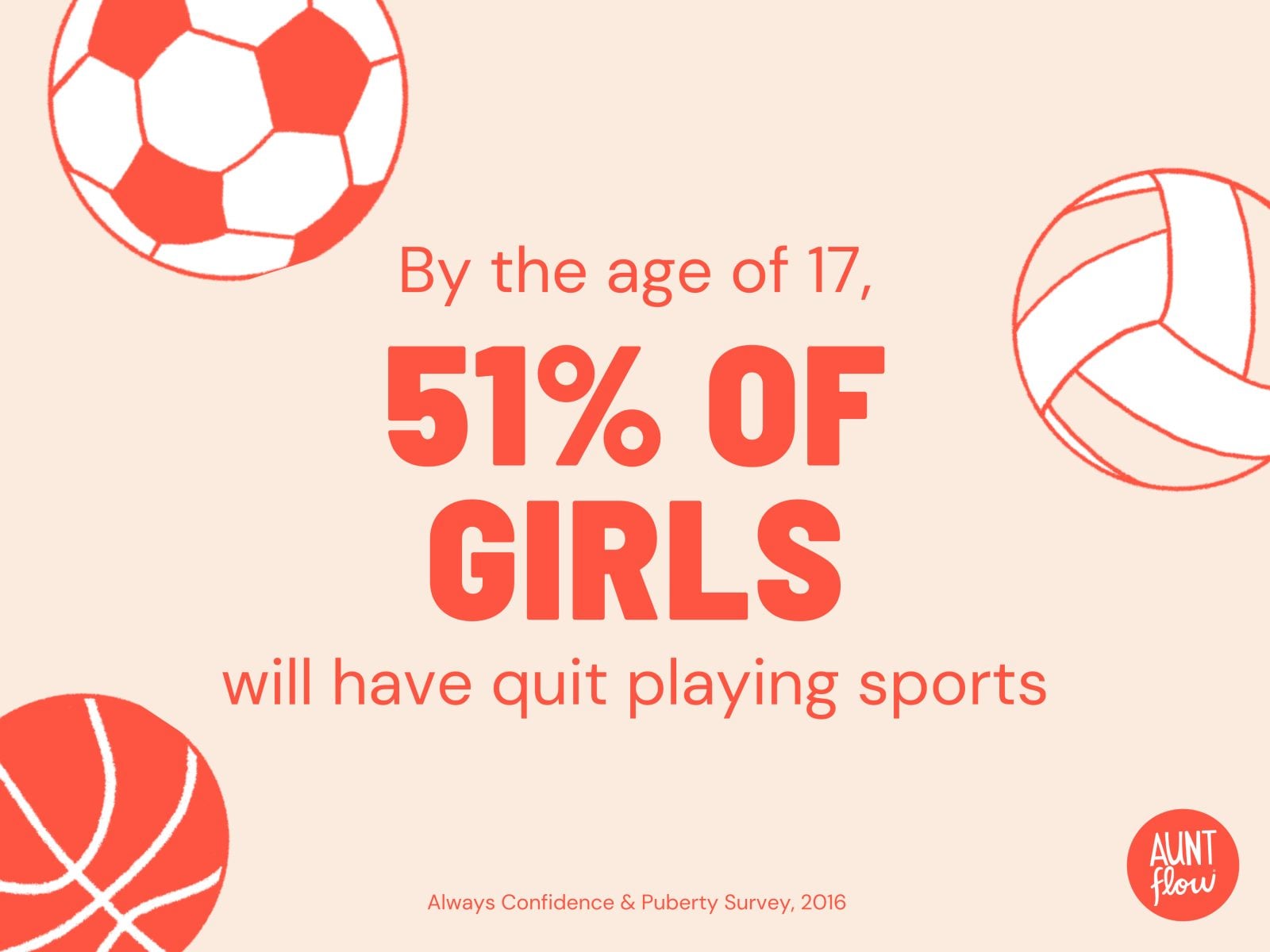
Why? There are deep-rooted negative attitudes impacting girls’ enjoyment of sports, including body image issues and period shame. A UK survey published last year with 4,000 teens found the following:
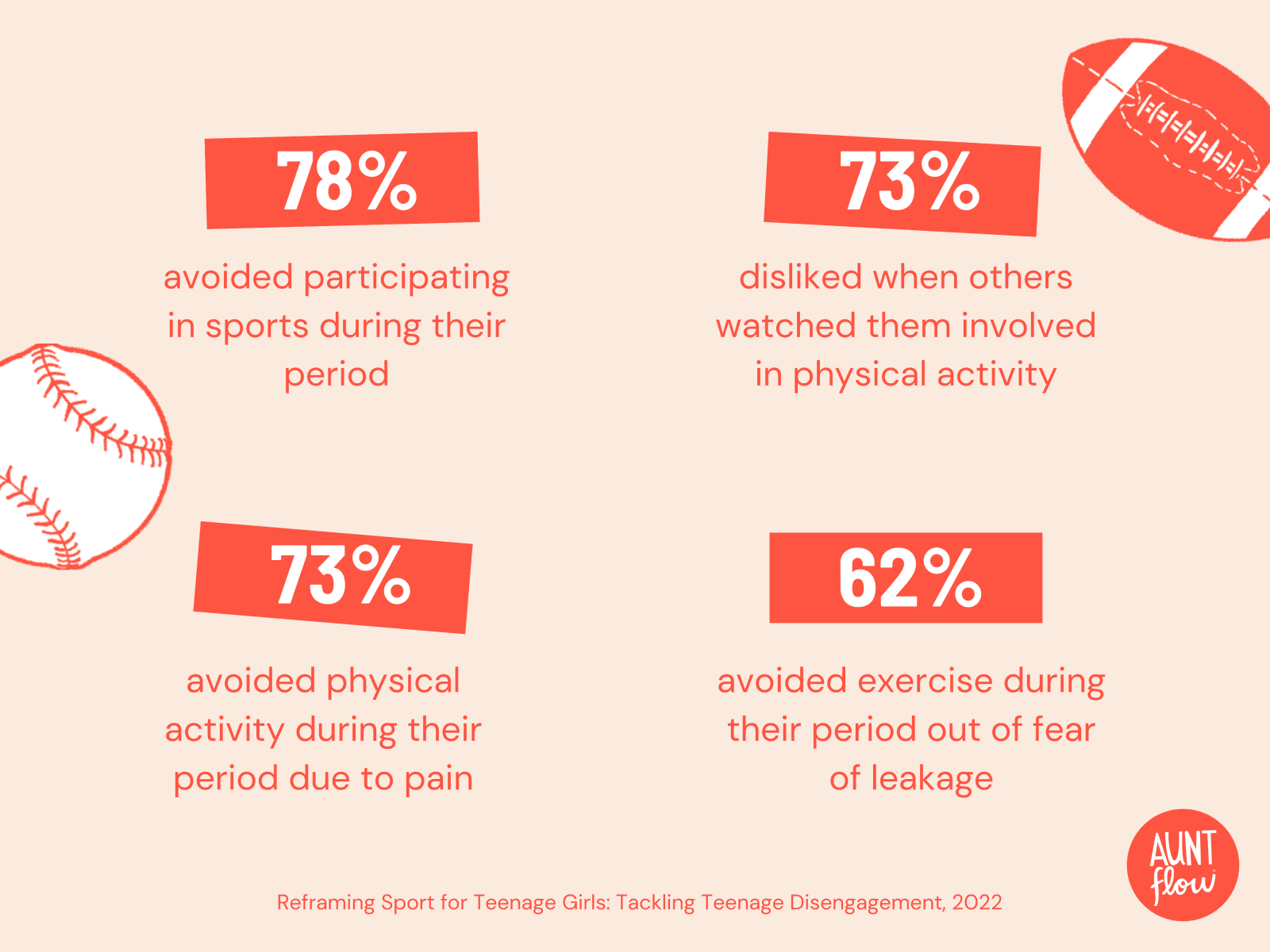
- Of the girls surveyed who used to be involved in sports, 78% avoided it when they were on their period, and 73% said they didn’t like others watching them involved in physical activity.
- Of the girls surveyed who avoided exercise during their period, 73% did so due to pain and 62% said it was out of fear of leaking through their clothes.
Other Challenges Faced by Female Athletes
- Physical Discomfort: Menstruation can bring about physical discomfort in the form of cramps, bloating, and fatigue. These symptoms can hinder an athlete’s performance and motivation.
- Hormonal Changes: Hormonal changes throughout the menstrual cycle can affect an athlete’s strength, endurance, and coordination. Understanding these changes can help athletes tailor their training and competition schedules accordingly.
- Mental Health: The emotional toll of menstruation should not be underestimated. Mood swings, irritability and anxiety can impact an athlete’s mental health and focus.
- Hygiene and Access to Period Products: Female athletes must deal with the logistical challenges of managing menstruation during training and competitions. Access to proper hygiene facilities and period products is essential.
Benefits of Open Conversations
Normalizing Periods
Talking about menstruation in sports is a conversation that should be encouraged. It’s important to normalize discussions around periods, ensuring that female athletes feel comfortable discussing their needs and challenges with their coaches and teammates. After all, the more we talk about menstruation, the less stigmatized it will be.
Increased Accommodations
Period-Friendly Uniforms
Just last year, Wimbledon updated its long-held all-white dress code. Now, players are allowed to wear dark-colored undershorts. The Irish national women’s rugby team has gone a similar route, permanently swapping white shorts for navy.
ADA Compliance
All around the world, athletes have varying abilities and languages. Aunt Flow’s dispensers are Americans with Disabilities Act (ADA) compliant, making period products accessible to EVERYONE.
Research and Innovation
Open discussions about menstruation in sports can drive research and innovation in menstrual health for athletes. This can lead to the development of specialized training programs, nutrition plans and performance-tracking tools.
Talking about menstruation in sports is not just a matter of gender equality; it’s about creating a more inclusive and informed sporting world.
Our ultimate goal? To ensure everyone has access to period products, whether they’re in the classroom, the locker room, or anywhere in between. Learn more today, and let’s start breaking the stigma together.