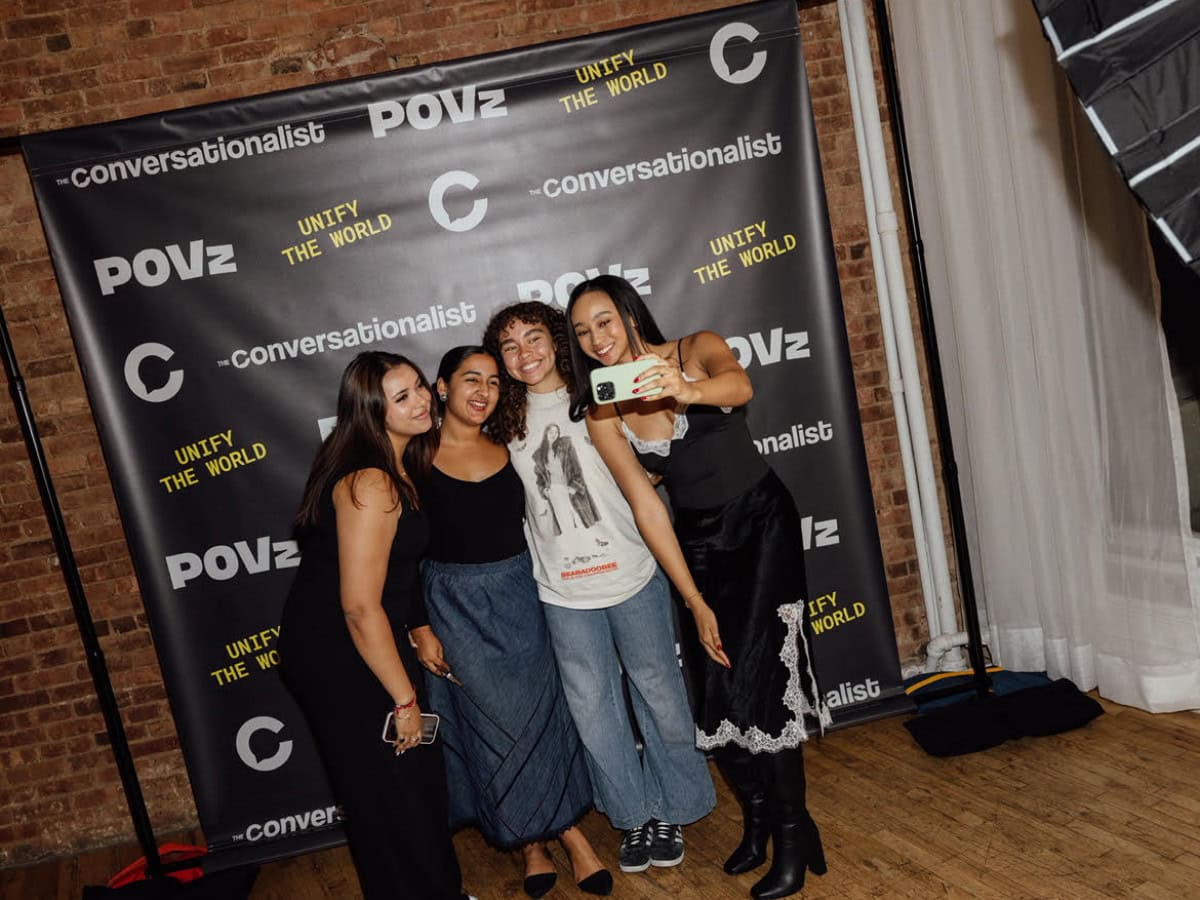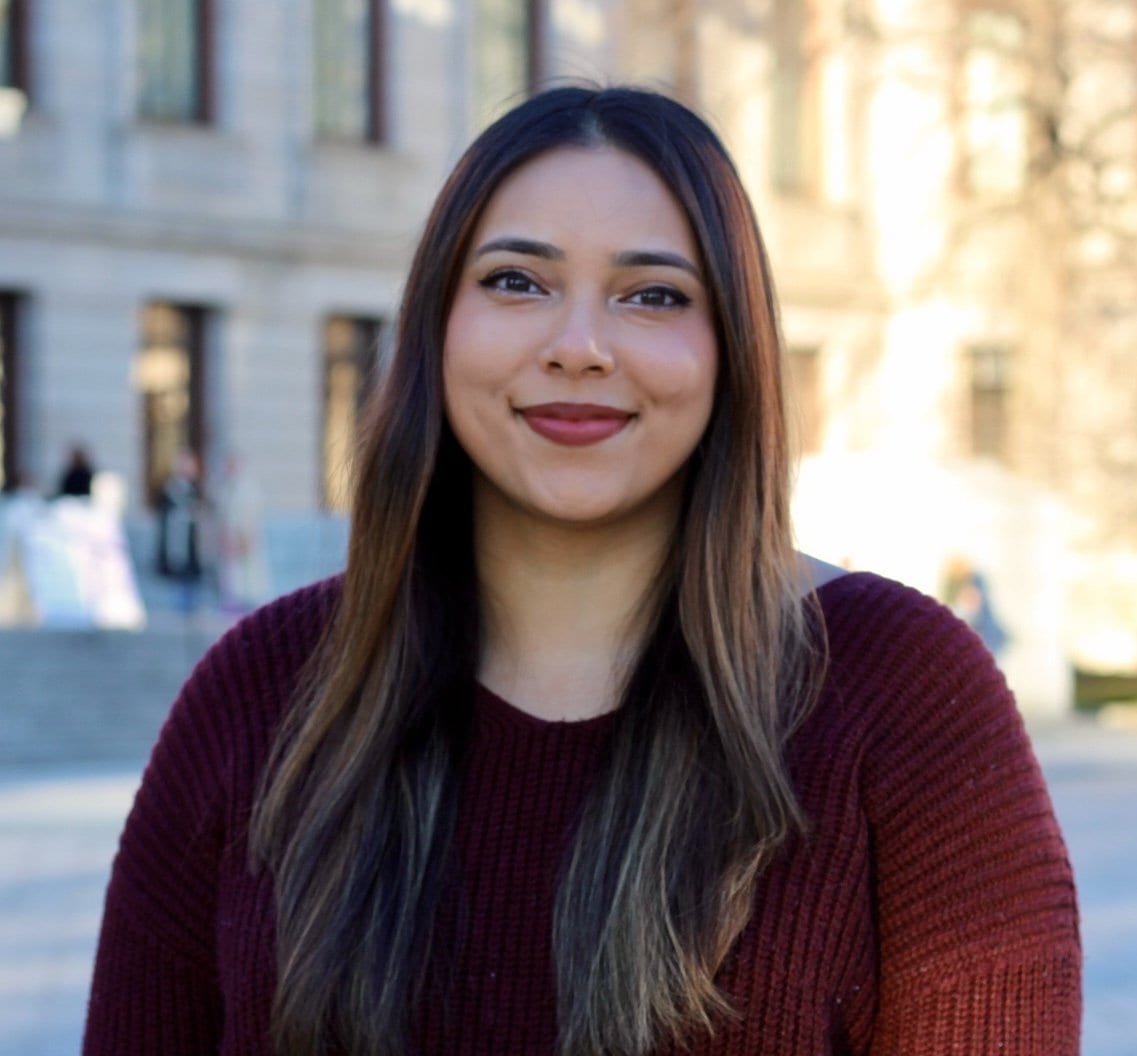


Given all that’s going on in the world, and in the reproductive health space, I sat down with my friend Synclaire Warren, a gender equity strategist and doula, for a candid and wide-ranging conversation that dives into the realities of reproductive health, advocacy burnout, and finding small moments of joy in difficult times. From busting myths about abortion to sharing self-care strategies, this conversation aims to serve as a reminder that honesty, vulnerability, and collective action are powerful tools for change.
We are so grateful to Aunt Flow for their continuous work in transforming period care by making menstrual products more accessible, inclusive, and stigma-free for everyone who needs them, and for the platform to have these sometimes difficult conversations.
This conversation has been edited for length and clarity.
PK: Let’s start with the basics — what’s one thing you wish everyone knew about their period or reproductive health?
SW: Your vagina is a vagina. It’s not a flower, it’s not a piece of fruit, it’s not a candy. It doesn’t have to be anything for anyone else. It doesn’t have to look like anyone else’s. It’s completely unique to you. And I know it can be really difficult, because we’re constantly faced with so much energy of what we should look like, and that’s such an intimate part of you that unfortunately has been really judged and stigmatized. But when you do embrace that, I think it can really help your self-esteem and bodily confidence, and there’s nothing wrong with you, and you are so beautiful.
PK: It’s also marketed all the time towards women, through supplements and other products. Sometimes I’m on social media, and my feed is just so-called solutions to problems I didn’t know I had. It can be overwhelming. With all the misinformation out there, what’s a common myth or misconception you see in your work that you want to debunk?
SW: Abortion is more common than people think. That’s something that’s really prevalent: People think it’s this monster that entices other people to do it, but in actuality, it’s almost like one in four people who can be pregnant have had an abortion. That’s something that actually really does irritate me, and that people think that it’s completely different than a miscarriage. It’s because we want to stigmatize this one thing. We want to punish people and make them feel bad. Somehow, there’s this, like, hierarchical healthcare that you can have, and that was something that really affected me as someone who is really pro-choice and really progressive in my values.
PK: I know I’m someone who understands how easy burnout is with activism and advocacy work with all of the news these days, I mean, I work for one of the biggest civil liberties organizations out there, which is so rewarding but can be draining with the constant influx of news. So, I’m curious: How are you taking care of yourself so you can continue to do this work?
SW: I am burnt out a little bit. I think that’s important to say. I’ve just been tired for months on end doing so many things, and it works out in tandem where I don’t believe that I have the right to give up when I get discouraged about things because of the privileges I’ve been afforded. So I can only imagine what it’s like for other people. I’m always going to advocate for others and fight for them, but I think it’s also great to take a break.
I’m a big fan of a sweet treat, and so that really honestly keeps me alive. This is a deep, dark secret that I’m going to reveal, but I grew up with Wattpad. I love a little romance, like actually rotting my brain cells. I started when I was 13, took a long break, and then when I turned 24 last year, I was like, “wait, I need to come back.” It was amazing, 10 years later, it still hits. Reading is always stimulating because I have to pay attention. If I’m watching a movie, I can still be on my phone.
PK: I love that. I’m trying to get back into reading, too. I’ve been having to stop doom-scrolling a lot. So I think that’s been a big thing, because I work on issues related to the news all day, and then in the evening, I’m like, “okay, I don’t want to look at this, but I also do want to look at it.” We have to remember that despite the fact that our voices matter, change can take time — and staying in the fight is powerful, but we have to take care of ourselves to do that. It’s been kind of tough. During the election, I was talking to voters, doing reporting in swing states, and it was draining but it also feels good to admit that you’re burnt out. I think women too often feel the need to do everything. Sometimes, even at work or in my activism, I have to think, do I have the bandwidth for this? My type A self used to not do that, but I feel better about it now. But, even in the midst of the exhaustion, I’m curious, what are some little victories you’re seeing?
SW: Oh, how many executive orders have been struck down. There’s been so much public uproar, and because a lot of people did stay home during the election and didn’t vote, they thought people weren’t gonna care. And I am really excited about how many people are really using their voice and exercising their own right to speak out. It inspires me, and I try to do that as much as possible in my everyday life. It’s all about all of us coming together and advocating for something that really matters.
PK: One of mine is that my home state of Virginia just passed new protections for reproductive health data, so that’s something I’m seeing from a tech policy perspective. It reminds me that sometimes it is smaller, targeted wins that still help so many communities. And I am especially thinking about the grassroots organizers who aren’t influencers or don’t have huge platforms, but continue to push forward nonetheless.