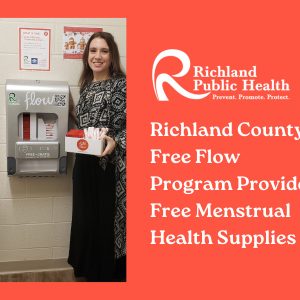


Original article written by Samantha Ketterer, Houston Chronicle staff writer
Xiaoyu Geng noticed that some of her classmates at Rice University didn’t have menstrual products when they needed them. The baskets providing free pads or tampons in certain restrooms always seemed to be empty, and Geng had even seen women asking their residential college coordinators for supplies.
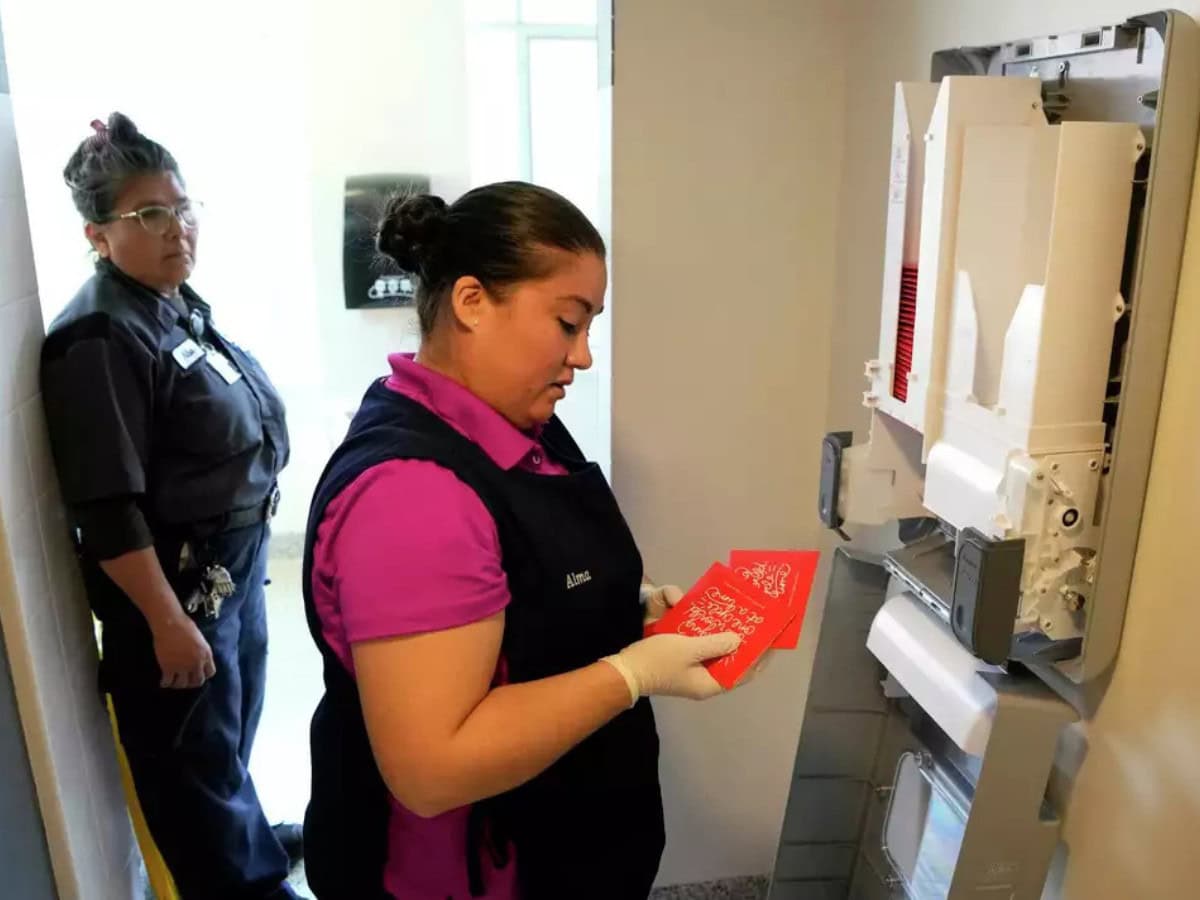
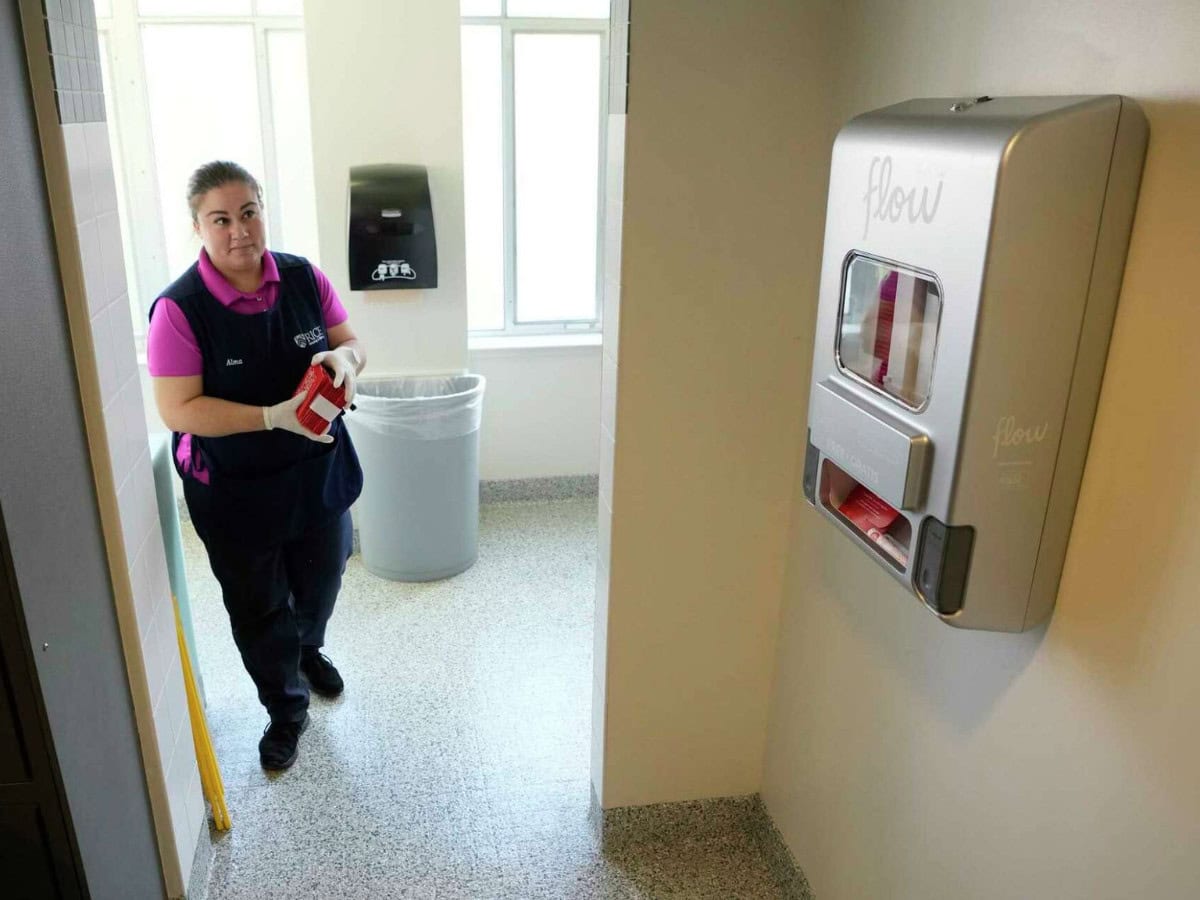
The freshman joined a student commission to increase menstrual product accessibility on campus, and within months, they installed free menstrual product dispensers in 56 women’s and gender-neutral restrooms at Rice. The university has since committed to keeping the machines stocked.
“What we’ve been hearing was that a lot of students were really appreciative,” Geng said.
She and others are part of a growing movement to provide menstrual products for free on college campuses. Those efforts for menstrual equity come as 23 states, including Texas, have now rid of taxes on period products, but advocates say there is more to be done: A 2019 study from the underwear company Thinx found that 1 in 5 of surveyed teens have struggled to afford menstrual products and 84% have either missed class or know someone who has missed class because of lack of access. The results also tended to disproportionately affect students along racial and socioeconomic lines.
Schools shouldn’t want their students to miss class for avoidable reasons. They should be providing these resources for their students so they can succeed, especially at a time when they’re trying to meet the diverse needs of the student population and ensure that they feel valued and supported.
Ammar Siddiqi, Director of Rice’s Student Health Services Commission
The student-led coalition’s effort goes back to 2020, when the group obtained funding from the school by proving through a pilot program that the most highly-trafficked restrooms on campus saw close to 100% of provided tampons and pads being taken within a week of being stocked.

The COVID-19 pandemic essentially shut down the project, and students attempted in 2021 to restart the project. Siddiqi and the commission discovered Aunt Flow, a company that makes free dispensers with the intent of stocking schools and universities, and this spring installed their first 36 in academic buildings and residential colleges at Rice.
A student survey found that students wanted even more dispensers, especially in buildings known for hosting longer labs, so another round of funding added 20 more machines. Siddiqi said the commission’s subcommittee for menstrual equity spent $14,000 of money awarded by the school for the initiative.
The survey results from students were overwhelmingly positive. Several said their periods have been unpredictable, and the free products have meant they aren’t left in the lurch.
“I love it! Thank you so much,” one student wrote. “Honestly, these have been a lifesaver. With no easy transportation off campus, it is sometimes very difficult to get this type of stuff. I have to resort to Ubering it to me.”
The inability to access menstrual products is called “period poverty,” and not having pads or tampons at the ready can result in unhygienic practices such as using toilet paper or cardboard. The issue is often compounded because people feel a stigma surrounding their periods and might be hesitant to ask for help: Close to 70% of students responding to another Thinx study said they feel embarrassed when they have to bring products to the restroom.
The stigma might be especially present for students who are nonbinary or transgender but might not feel comfortable showing others that they are using pads or tampons, Siddiqi said.
Changes to the conversation at Rice have felt tangible, said sophomore Kai-Yuan Tsung, co-director of the Student Health Services Commission. By March, around 7,000 pads and tampons had been distributed. The group is now working on organizing community events to raise awareness of problems surrounding menstrual equity.
Even when we’re done installing these dispensers, we hope to continue the conversation among people at Rice. Increasing the wellbeing of people here in our communities, on campus or outside, is something that we’re really working on.
Kai-Yuan Tsung, Co-Director of the Student Health Services Commission