
Interviewed by Meaghan Sullivan, Google Workspace Marketing Customer Programs Lead
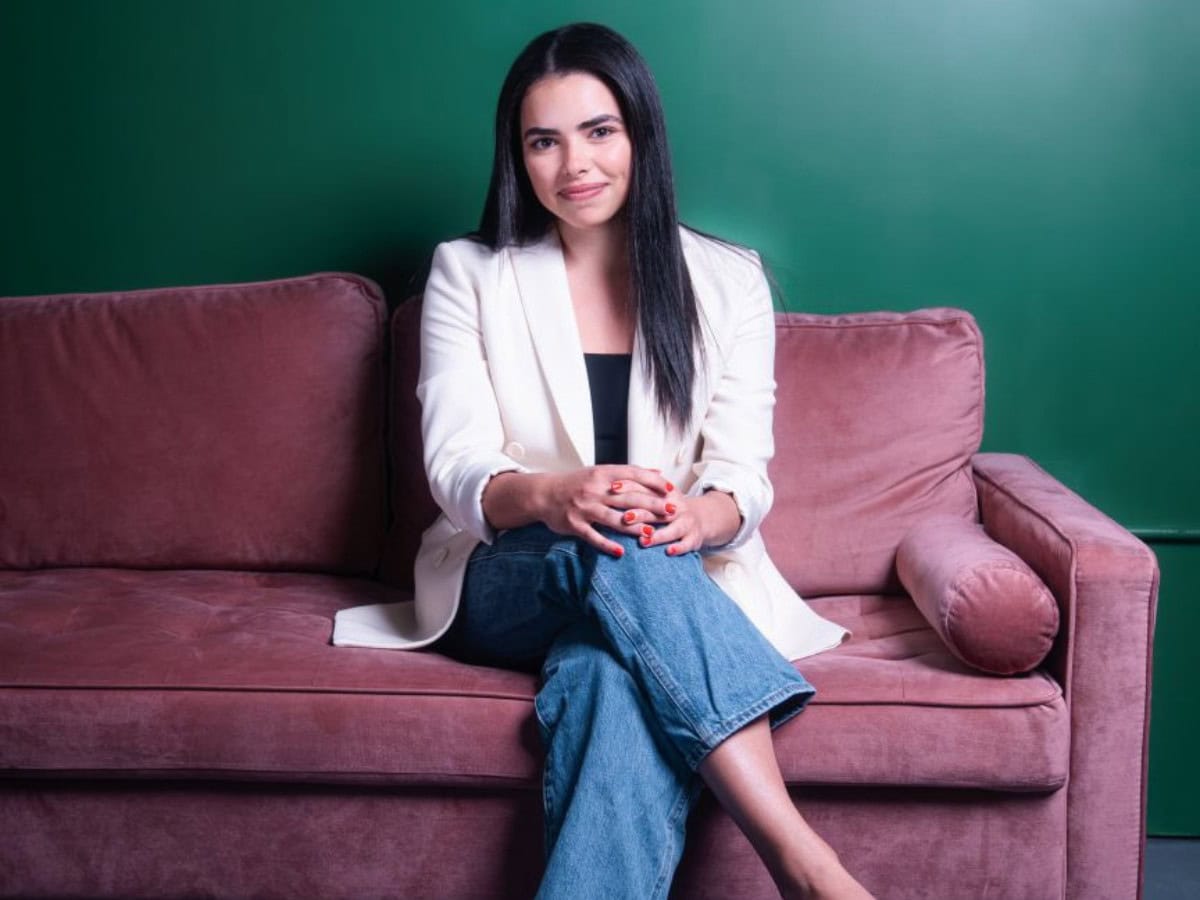
Katie Diasti is the founder and CEO of Viv, a sustainable period care brand dedicated to providing eco-friendly, toxin-free products while challenging societal stigmas around menstruation. While pursuing a degree in Marketing and Managing Social Impact at Boston College, Diasti conceived the idea for Viv during an entrepreneurial marketing class in her senior year. Recognizing the lack of innovation and sustainability in the period care industry, she aimed to create products that were both environmentally friendly and empowering for menstruators.
Under Diasti’s leadership, Viv has also prioritized menstrual equity, donating thousands of period products to shelters, schools, and nonprofit organizations both domestically and internationally. Her innovative approach and dedication to social impact earned her a spot on Forbes’ 30 Under 30 list in 2024.
Can you tell us the story of your first period?
I was going into eighth grade and was also about to be the new kid in school. I knew it was coming, but I just remember being so upset. I cried for probably two hours straight because I was just so sad that I was going to have to deal with a period for the rest of my life.
That’s a totally valid reaction! With that, how were you taught about menstruation and your period?
I grew up in an Egyptian family. My mom immigrated to the US and is more religiously and culturally Muslim. So, we were not talking a lot about periods. I was introduced to pads and only pads for a very long time. When I learned about where babies came from, I learned the medical science version of it and less about the human experience side of it. So I knew that the process of a period was the walls shedding, but I didn’t know what that actually meant or what that process was like. That part was something I had to figure out myself.

Something I’ve learned through these interviews is that people have different experiences growing up in different cultures, and where they come from. I knew that that had an impact, maybe on what periods meant and how you experienced having your period or being a woman and women’s health. But what I learned through these interviews was that different products are built with the same way of thinking. I thought that was really interesting because we all had our own experiences growing up.
It’s also helpful that my team members themselves have had such different experiences. All of us grew up a little bit differently, with varying levels of comfort from our families in talking about periods, different products and whatnot. All of those differences help us better understand our consumers.
Now we’re getting into the questions around periods in the workplace, and all of that good stuff. Do you believe that periods should be discussed in the workplace? Why or why not?
It’s so funny because this is all we talk about [at Viv]! My response is, of course. Obviously, I love everything that Aunt Flow is doing because I think it’s so crucial to have products readily available. A large portion of the workforce is actually menstruating, and it’s so important to realize how to better support people. I also think it’s so crucial to know where your team members’ mental states are. We have different superpowers at different phases of the month. Being able to unlock [those superpowers] makes us even better at our jobs. Focusing on that element of it is awesome. Even when showing up in the workplace or as a leader, being in tune with your body is so important. It’s so beneficial!

How do you think organizations can create a really supportive and inclusive environment for their employees to talk about menstruation at work? Feel free to include some tips that you would share with another leader who’s looking to kick off these types of conversations.
I think it needs to come from leadership showing a little bit more vulnerability and openness first. That’s how I try to lead with my team, and they are so receptive to that because, at the end of the day, we’re all just people, too.
I love that comment about being vulnerable. We’ve talked about this a little bit in the past with other interviews, just kind of leading by example: If you’re vulnerable yourself, then folks on your team or maybe even fellow leaders might be inspired by that. Sometimes, it just takes one person to inspire others to mirror that behavior. I would love to dive deeper into what you believe, or even what you’ve seen, some of the benefits are, both for employees, but also for employers or organizations, when menstruation is openly discussed and supported in the workplace. What do you think?
Understanding menstruation can be an added superpower to individuals and their organizations. Menstruation goes so beyond fertility and understanding what type of work you thrive doing during each phase can make you and your team more creative, more productive, and more resilient. Openly having access to menstrual care shows that overall care for the health and well-being of your team is at the forefront. When employees feel their needs are heard and cared for, they feel more comfortable to share what they need to be successful. At Viv, we’re a small startup team so we are super open to sharing what support we need to do our best that week. It’s made us a stronger team and better leaders.