
Interviewed by Meaghan Sullivan, Google Workspace Marketing Customer Programs Lead
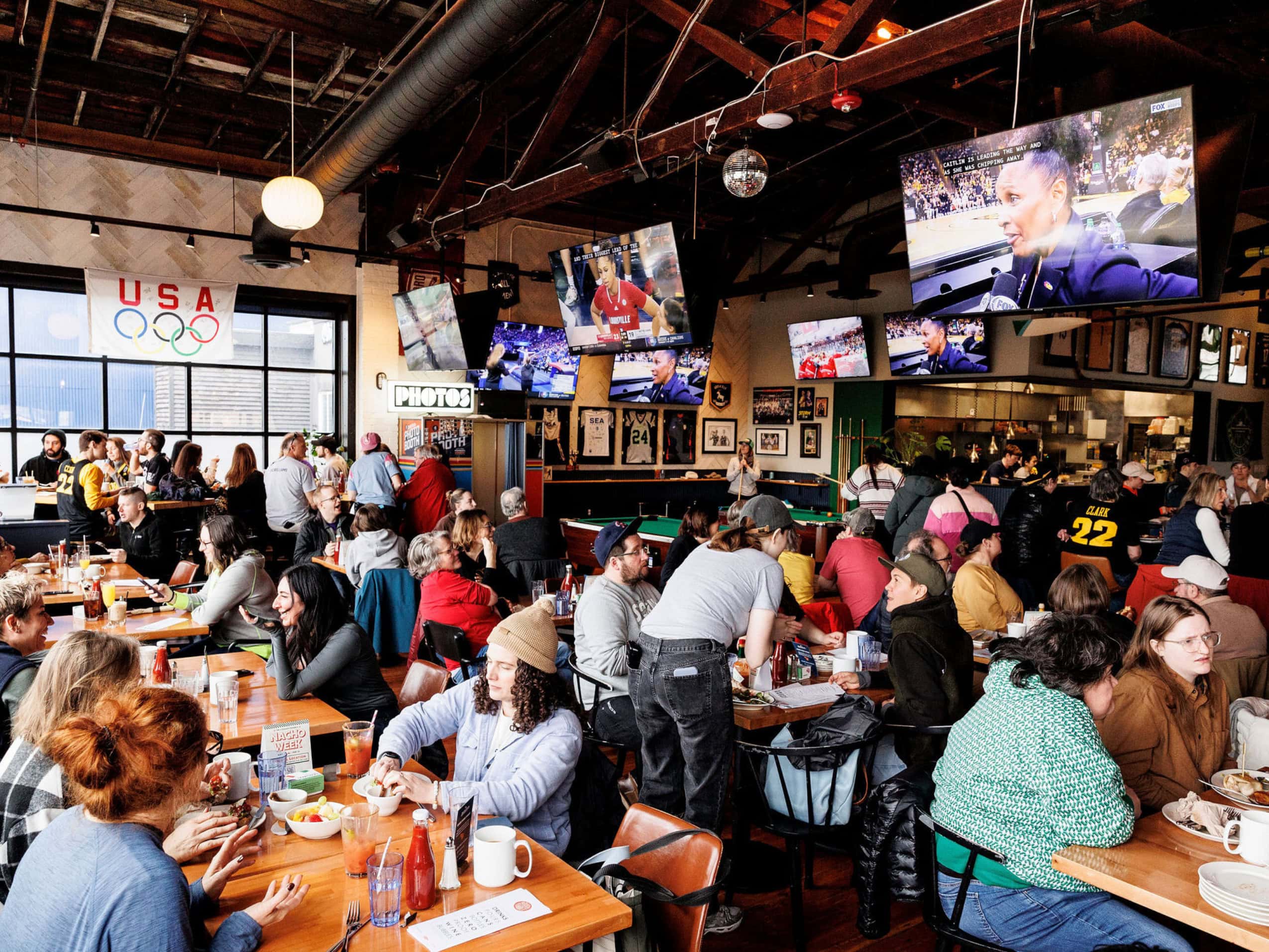
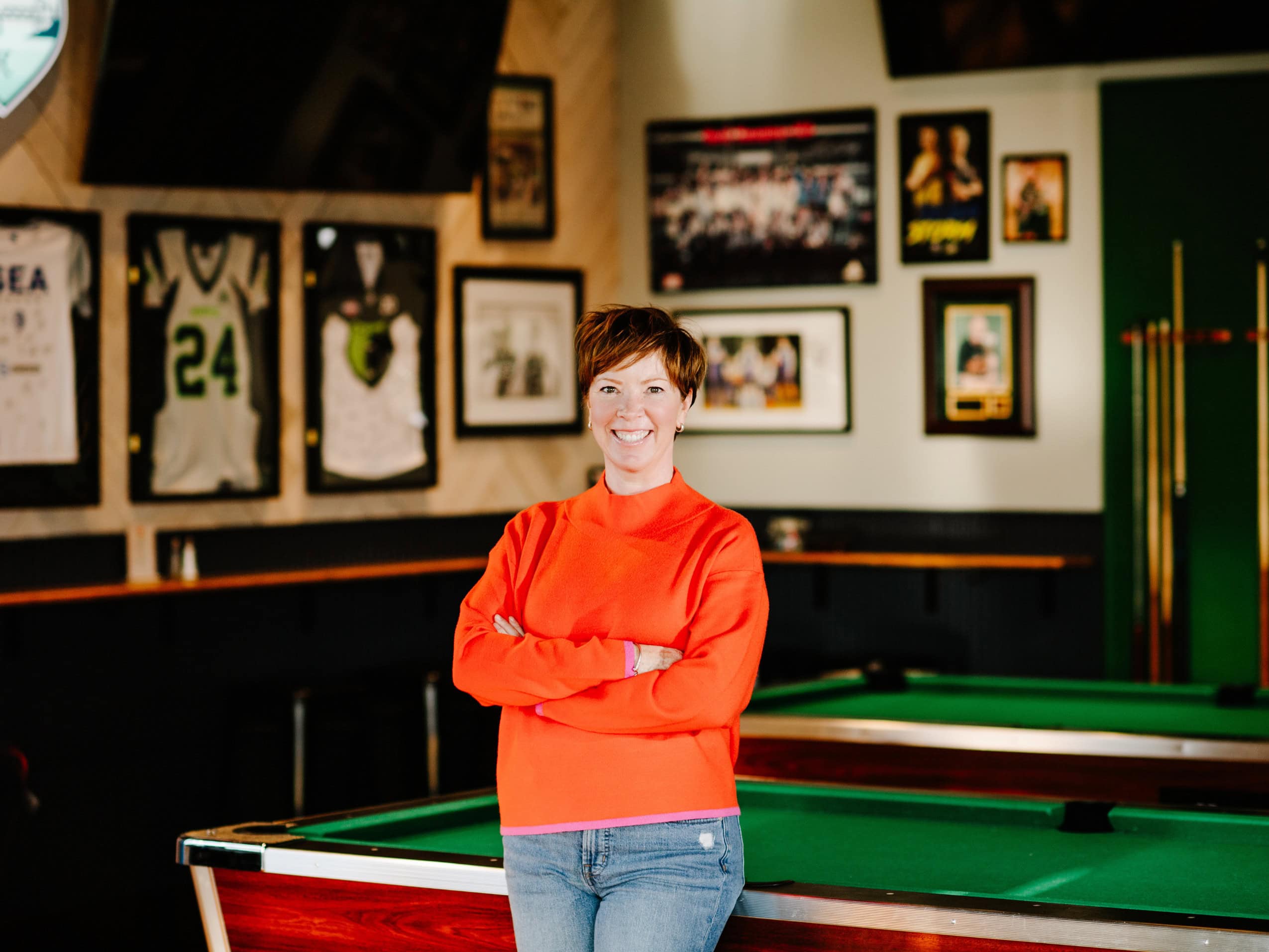
Jen Barnes is the founder and CEO of Rough & Tumble, the world’s first company purpose-built to promote gender equity in sports viewing and fandom. Since launching in 2022, she has led Rough & Tumble to become a national leader in the women’s sports sector—transforming how we watch, celebrate, and come together around the game.
With over 25 years of experience building vibrant, award-winning companies, Jen brings deep entrepreneurial expertise and a lifelong passion for sports and equity. A former athlete and avid fan, she most recently partnered with NWSL players and WNBA owners to co-found Salmon Bay FC, Seattle’s first pre-professional women’s soccer team—expanding opportunities for women athletes and fans alike.
Jen was recently named one of Seattle’s 25 Most Influential People and honored as a Seattle Reign FC Legend for her lasting contributions to the future of women’s sports. She currently sits as the Co-Chair of the Seattle FIFA World Cup Pride Match Committee and is a Commissioner for the Seattle Sports Commission. Jen speaks regularly as an expert on the women’s sports industry sector and the business of women’s sports.
Can you tell us the story of your first period?
It was my 13th birthday, literally. Lucky for me, I had a mom who was very open and really pushed my sister and me to talk about stuff that was frankly not the norm. I was born in the 70s, and I think a lot of women weren’t comfortable talking about that then, and there are a lot of women who are just barely comfortable talking about it, oftentimes now (and that’s why Aunt Flow and this blog exist). I was lucky that I knew it was going to happen, and I knew what to expect since I was well-educated on it. So, I wasn’t scared, which was good.
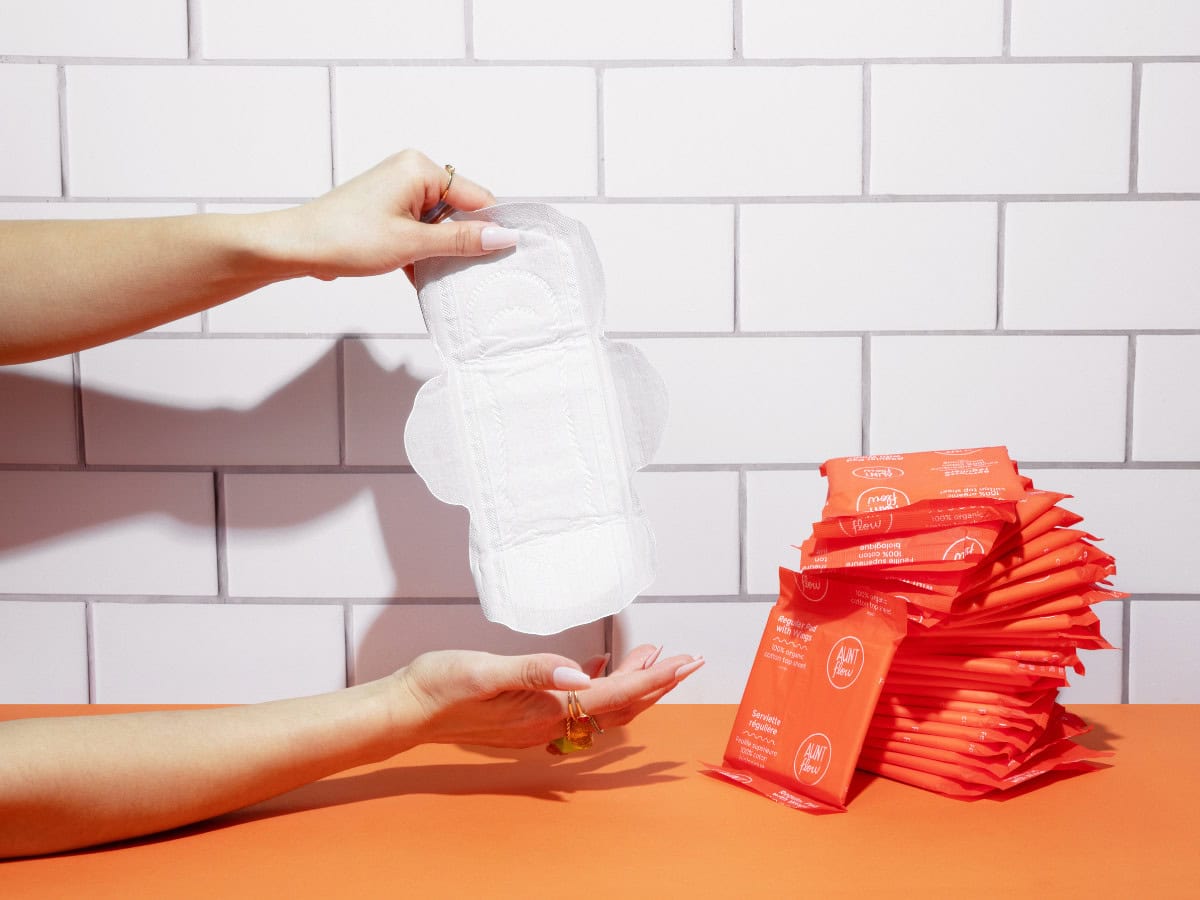
I remember [my period] started out really heavy. It was a lot [of blood]. My mom was completely against anything but pads. She was very all-natural and only wanted me to use all-natural, all-cotton pads that required, at that point, waistbands and all that. It was horrifying to me. She finally got one that could stick to my underwear, but it was massive. It was meant for an adult woman! I didn’t want to leave the house because I knew everyone could see it. It didn’t take too long before I was buying the teen-sized products and able to manage [my period] on my own.
I have very sensitive skin, so I was actually hurting because most pads have a synthetic cover on them, and my skin was allergic. It was awful. I think with all of these things combined, I had to find my own way to what was comfortable for my body and my health. I had to figure out how to advocate for myself at 13. I remember when I finally got the courage to use tampons. My mom was very against tampons and came from that era where she believed it could break your hymen and could lose your virginity. I mean, she gave me that conversation, and I distinctly remember this moment where I was like, “Screw it, I don’t want to feel this way.” I got tampons, and I had to hide them from her for a long time.
Thank you so much for sharing that. There are so many relatable elements of that, but it’s also so great that you were able to get to a place where you knew what was best for you and your body. That’s such an area of growth that some of us don’t ever get to. It definitely seemed like you were prepared for your period, but what was that menstrual education like?
I think my mom did a really good job. I mean, she got out like a classic anatomy book and showed us the reproductive system. She talked very openly about her experiences with periods and the whole process all the way through menopause. She would talk openly about her own PMS with my sister and I, like hormone fluctuations, depression, anxiety, cramps, and the reproductive cycle… It was all a really normal part of our conversation. My mom, sister and I were like a trio. She was a single mom from the time I was about 9-12. Being in an all-women household made some of these conversations a lot more comfortable and easy. To me, talking about my period has never been an issue. I know it is for other people, and I’ve always tried to do the same thing [as my mom] by communicating and making it a more blazé topic.
Do you believe open conversations around periods should be encouraged in our communities, schools, workplaces, the household and beyond?
Absolutely. I’m passionate about it. 90% of my team is women. We talk openly about our cramps and our periods. That’s not necessarily so easy in more of a corporate business environment. I’ve spent the majority of my life in a male-dominated work environments, and I was often the only woman in the room. Finding the balance of being comfortable enough to talk about things in a way that pushes men to feel slightly uncomfortable, I think, is a really important thing because the shame around periods is a patriarchal problem. While I hope that someday this isn’t always an act of resistance, I think it currently is. There’s zero reason that any part of being a woman should not be studied equally, treated equally, and conversely. Periods are not gross. It’s not disgusting. It’s what made every man out there exist. I think it’s important to destigmatize it, and the only way to do that is to normalize it. For as long as I can remember, I’ve been an advocate for having free period products at work before it was the norm.
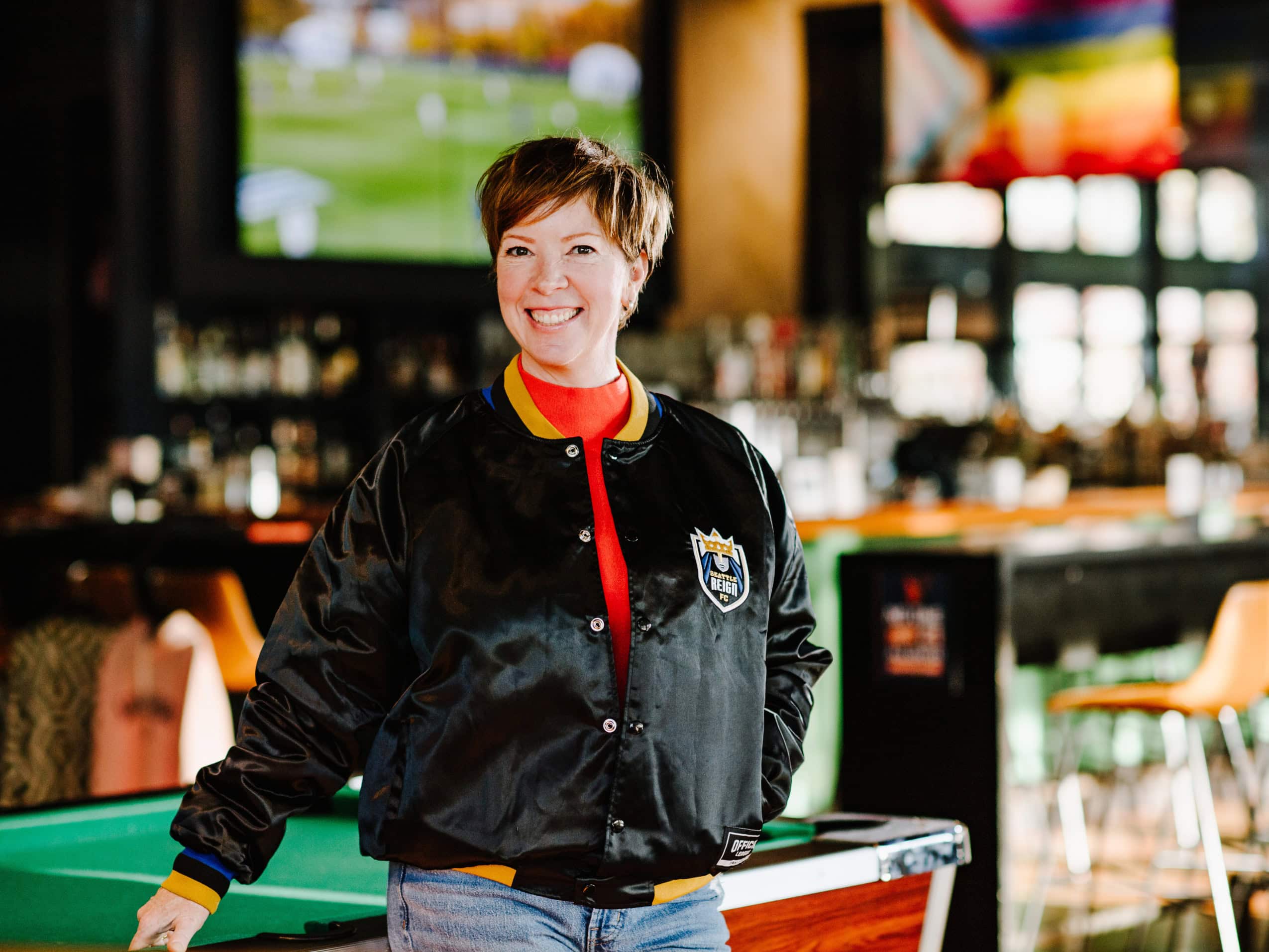
Can you tell me a bit about how you destigmatize and normalize menstruation in your everyday life?
When I opened Rough & Tumble, it was really important for me to have an array of [period] supplies. We always have a variety of products. The very first weekend we opened, there were a couple of Google reviews mentioning that we provided free period products. I was proud to have created a space that was actually comfortable for women, too.
I work with so many youth coaches and youth sports programs in what I do. One of the things that we’re always talking about is how to train coaches on women’s and young girls’ menstrual health, what they’re going through, especially from ages 9 to 14, where they’re going through puberty, experiencing massive changes and talking about why they may not want to wear white shorts at practice.
There’s a really incredible group of women who are doing so much to help change and educate how coaches, male or female, understand and communicate menstruation with their students and athletes. I talk about this a lot with Amy Griffin. She’s the executive director of Reign FC’s Academy, the Seattle Reign’s all-girls academy for soccer. And she’s like, you know, I make everybody get comfortable with just saying, “Here, you want a tampon?” and just throwing it over, “Oh, you need a tampon? You got a tampon? Hey, does anybody have a tampon?” Until the girls become desensitized. I think that’s really important, and we should do more of that.
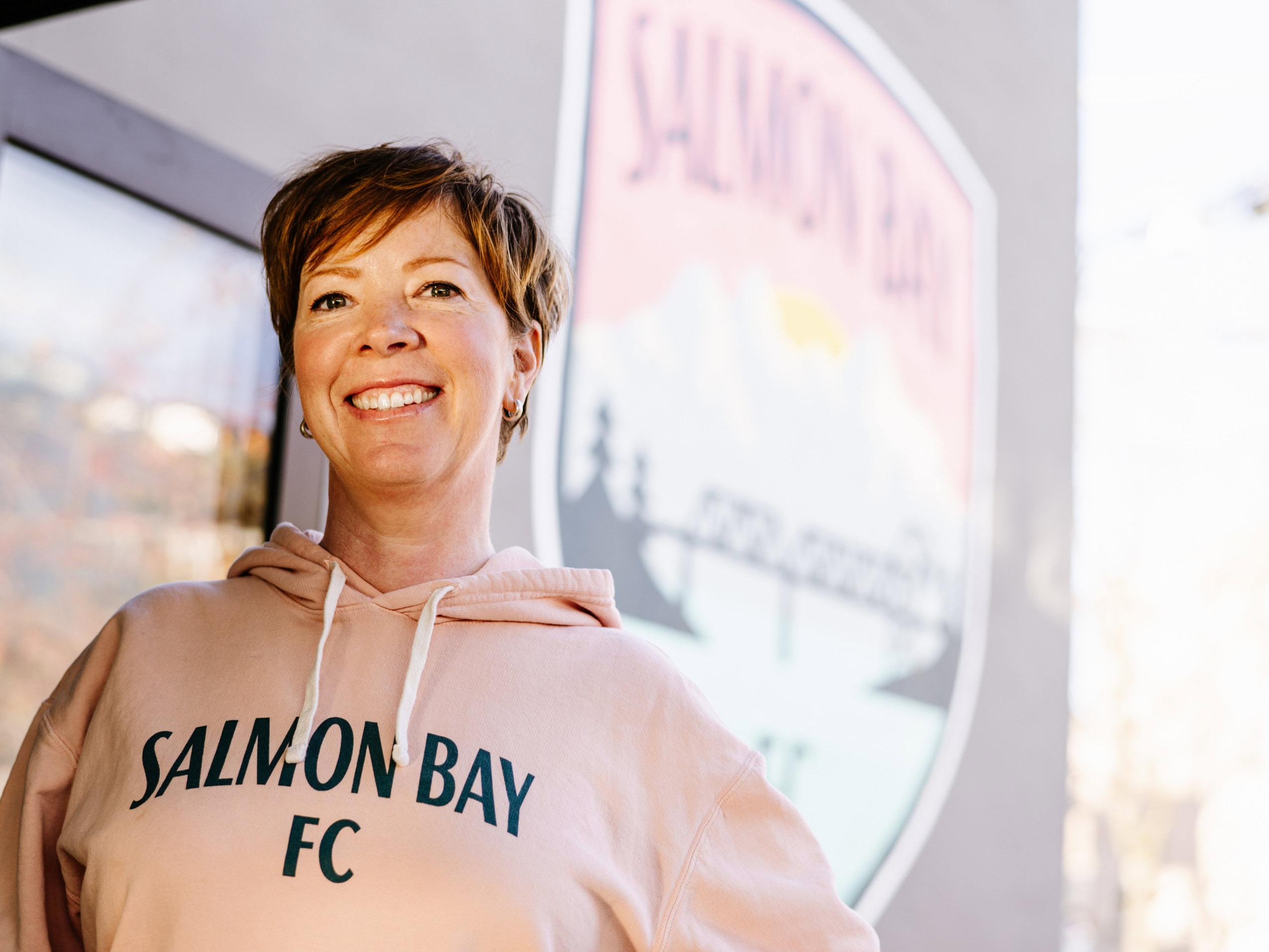
I absolutely love that. It’s so important to have our coaches, whether they’re menstruators or non-menstruators, helping to create that environment. It’s so exciting to hear! Do you have any advice you’d give to other leaders to foster a supportive and inclusive environment so we can work towards talking openly about periods?
Every couple of months, we host something at R&T where we actively discuss topics like breast health, periods, and puberty in the form of open conversations, panel discussions and events. One of my favorite things is when I get to talk to people at the restaurant. We have a banquet room, and it’s routinely rented out by teams and coaches for end-of-season events, get-togethers and planning sessions. I often will go and say hi to people that I know or stop by and see how everybody’s doing. I especially make a point to do so when we have a male-dominated coaching staff come through. I’m always like, “So what are you guys doing for the girls on the team? Are you all trained on menstrual health?”
I’m still amazed at how often there’s just a look of abject fear or blankness on their faces. When that happens, I always let them know, “You really need to be educated on this because you have a huge responsibility to a lot of young kids. You’re going to have better athletes. They’re going to respect you more. You’re going to be a more thoughtful coach. If you don’t know how to do it, I have the resources that I’ll grab for you.” Inevitably, there’s always a group of guys who will come out to me separately and be like, “Thank you so much. I hadn’t known how to ask, and I didn’t know where to go. It’s really hard because it can be uncomfortable for us, as male coaches of girls, to find the line. It’s all about how we actually become good stewards of young people growing.”