
Original article written by Austin Price, The Collegian
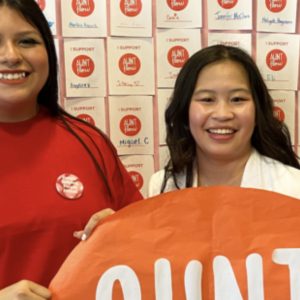
Ivy Lu, ASWWU head of diversity and wellness, emphasized the importance of implementing the Aunt Flow Project at Walla Walla University and how we can better provide support for women’s health.
We wanted to have the Aunt Flow Project to … support our girls and [provide] mental support. We wanted to let them know, ‘Hey, we have these resources for you. Even if you just got your period and you don’t have those products with you.’ We’re providing that mental support by providing the physical products for them.
Ivy Lu
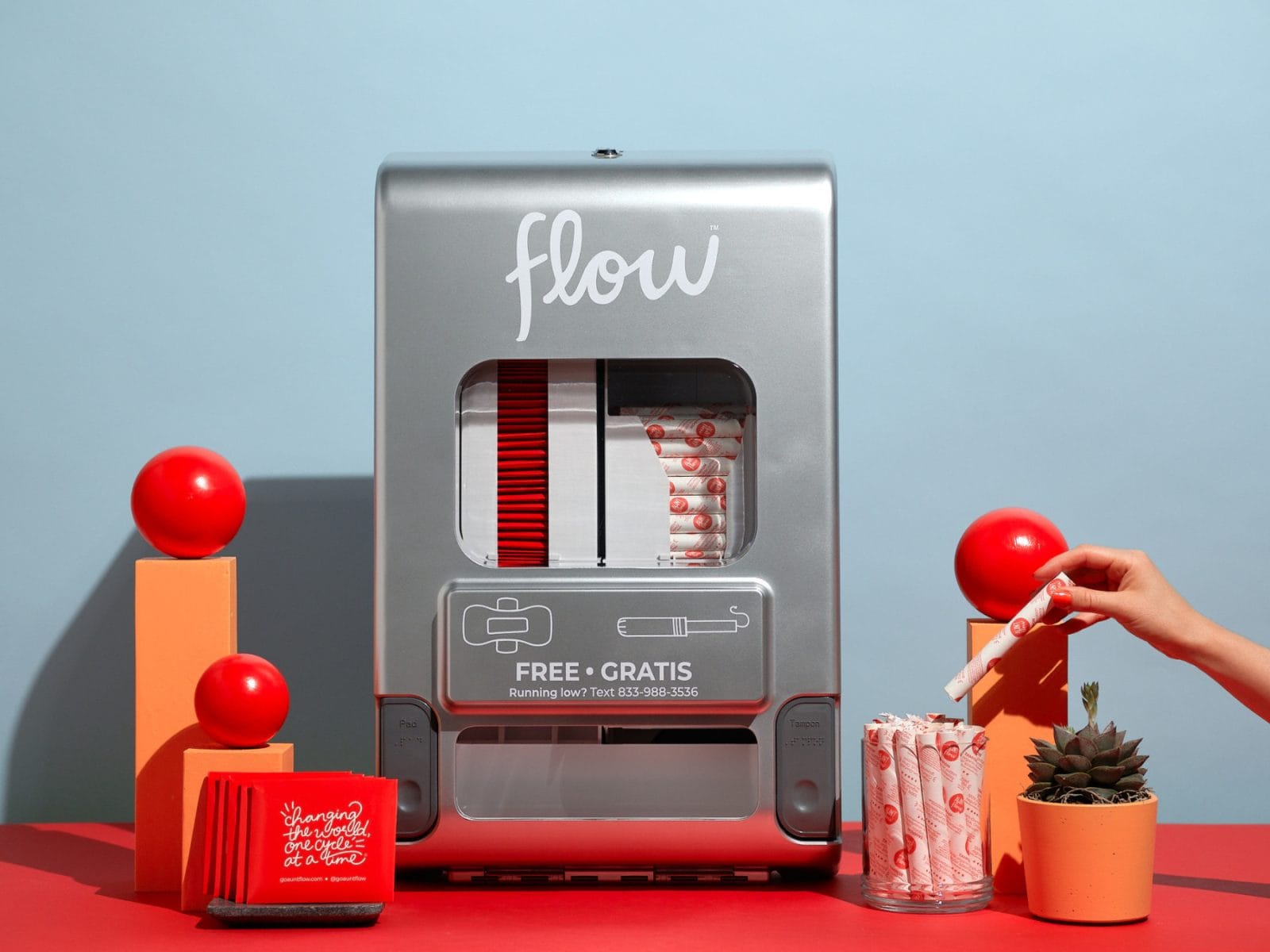
Awareness is a key factor in helping menstruators know there are products in bathrooms. In fact, anyone who visits the campus can benefit from knowing where these products are. There are Aunt Flow dispensers on campus in almost all the buildings. If an emergency happens, students should be able to find the products that they need.
The project is only about a year and a half old. Lu wants the Aunt Flow Project to continue developing and continue spreading awareness and understanding for menstruators.
She said, “We want to continue, we want to make it a tradition because the support is sustainable. And the impact is sustainable so we should just continue doing it. Yeah, set a budget aside every year to have that.”
Lu recognized that menstruators don’t need to feel shame about having their period or shame about who they are. Rather, we all need to understand that when problems do arise for women, WWU cares about those problems and will provide resources to help. Lu mentioned how it’s not right to only recognize menstruator’s needs during a single month. She knows it’s a constant challenge to address. What helps to address this challenge is support.
She said, “everybody has that strength to support each other.”
One way the Aunt Flow Project is beneficial is in addressing the problem of a pink tax, as products in Aunt Flow are free for anyone to use. For understanding, “Gender-based price disparities are known as pink taxes.” Feingold, the author of World Economic Forum, wrote, “In the United States, one government study analyzed 800 gender-specific products from nearly 100 brands. The report found that, on average, personal care products targeted to women were 13% more expensive than similar men’s products.”
Thus, having personal products such as tampons and pads provided in bathrooms for free eliminates the question of cost for menstruators and immediately provides them with the potential resources that they will need.
Additionally, Lu is hopeful more projects like these will develop in the future. She said, “And one day, maybe after our students graduate, they [will] want to do something with the community they move to as well with these kinds of similar projects.”