
Women’s health research has been on the back burner for decades, and the effects continue to be felt.
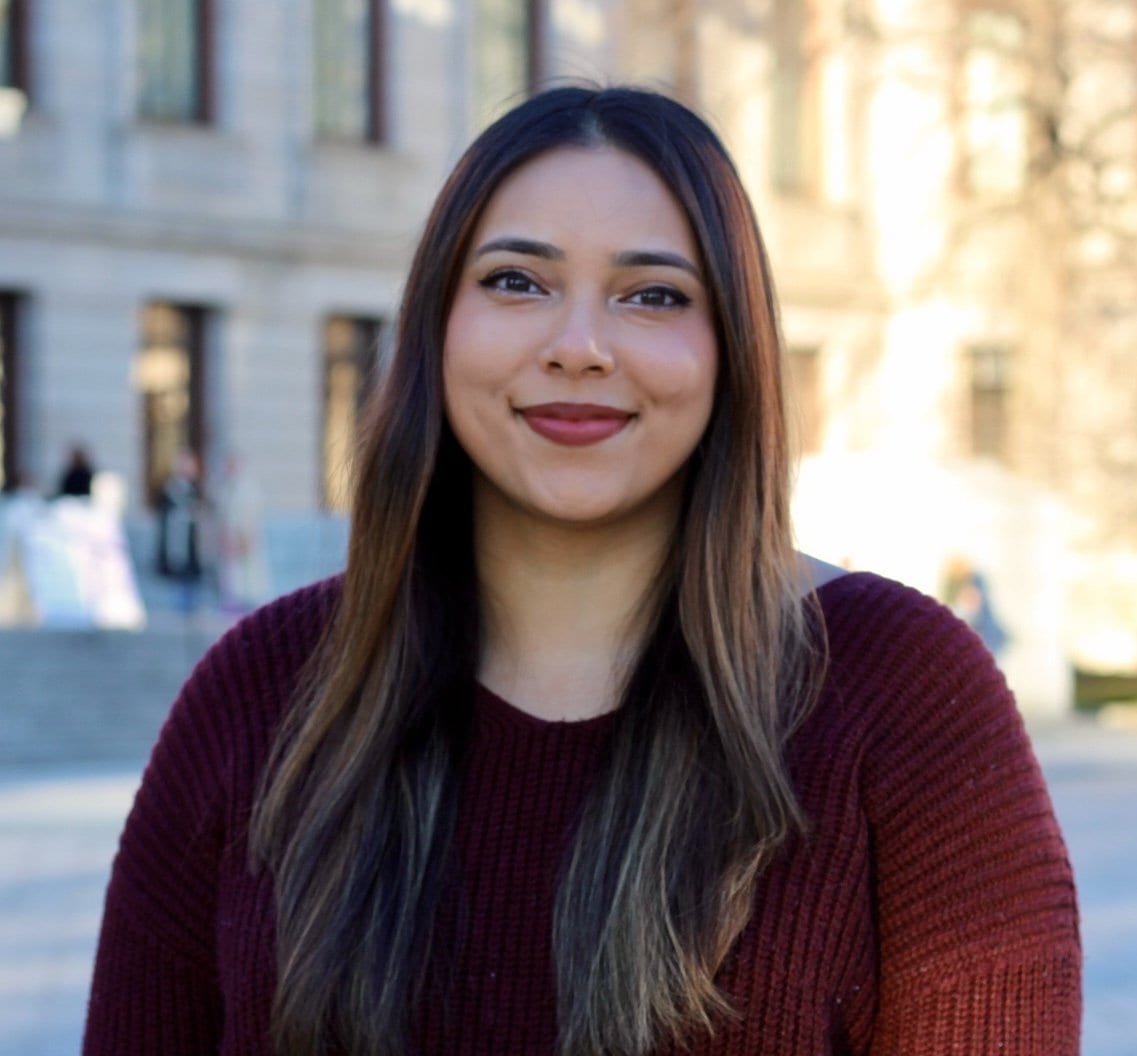
As a young reproductive health activist, I am driven by a passion to ensure that every person has access to the healthcare they need and that they are able to make informed decisions about their bodies. Yet, research into women’s health has historically been underrepresented and underfunded. Reproductive healthcare specifically remains riddled with gaps in awareness, research, and education, and these gaps have a particularly disproportionate impact on women of color, exacerbating existing health disparities and perpetuating cycles of inequity.
In my reporting as a journalist, and in my advocacy efforts, I’ve spoken to countless women from across the United States, ranging from OB/GYNs to doulas to abortion fund directors. They’ve all flagged that the first critical step is access to information, especially in an era after the Supreme Court overturned Roe v. Wade, with information access tenuous and even weaponized.
The lack of awareness and research into women’s health issues is particularly devastating for women of color, something that impacts me as a young woman of color. Our communities face systemic barriers to healthcare, including racism, socioeconomic disparities, and cultural stigma, which compound the challenges of accessing reproductive health services. Conditions like PCOS, something that I struggle with, endometriosis, fibroids, and menstrual disorders can have far-reaching impacts, but despite their prevalence, these conditions often go undiagnosed or untreated. Many women suffer for years before receiving a diagnosis, and even then, treatment options are limited and often focus only on managing symptoms rather than addressing underlying causes.
For example, endometriosis impacts nearly 10% of women of reproductive age, yet in the US, only two out of 10 cases get diagnosed properly, and Black women are 50% less likely than white women to even be diagnosed. Even beyond that, women of color are underrepresented in clinical trials and medical studies. A study on the inclusion of AAPI groups in high-impact medical journals found that only 10.6% of articles analyzed detailed the health outcomes of Asian groups.
Education plays a pivotal role in bridging these gaps. It’s time to break the cycle.
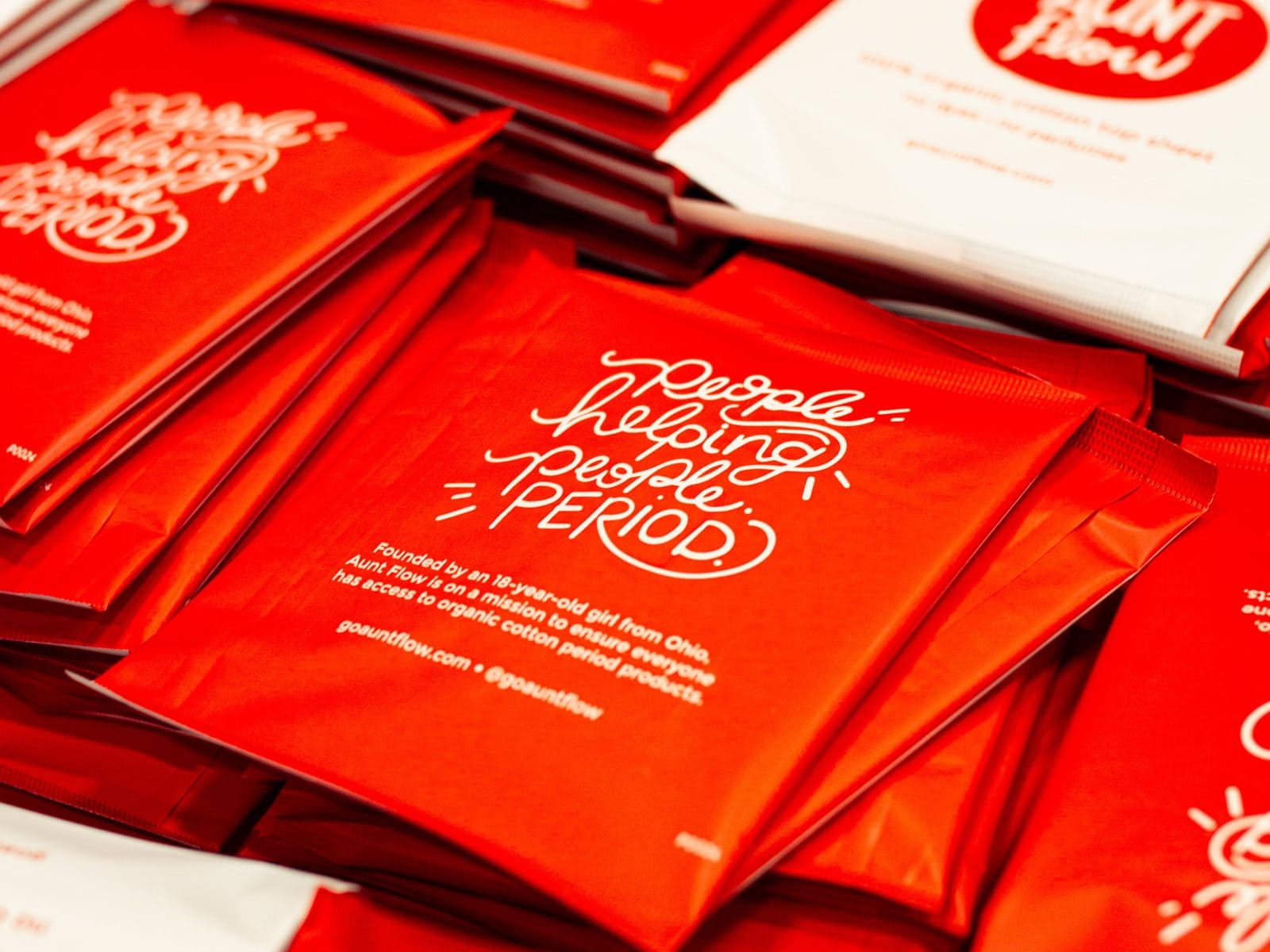
That’s the reason why Aunt Flow is so important, because of its commitment to education in addition to sustainable and accessible period products. Aunt Flow is like a big sister, with social media posts that create a safe space for young women who may not have anywhere else to turn.

The Path Forward: Advocacy and Action
- We must advocate for more funding dedicated to research on women’s health issues. Understanding conditions like PCOS and endometriosis at a deeper level will lead to better diagnostic tools and more effective treatments.
- We must push for comprehensive reproductive health education that includes information about common women’s health conditions and is accessible to all, regardless of socioeconomic status or background. Aunt Flow’s Instagram does a fabulous job, and more period care brands should be pushing holistic education.
- It is essential to elevate the voices and experiences of women of color in the healthcare debate. Their insights are invaluable in shaping policies and practices that are truly inclusive and effective.
- Building strong communities, like the Aunt Flow network, can help disseminate information and provide support to women navigating the complexities of reproductive health.
By advocating for better research, education, and community support, we can ensure that every person, regardless of their background, has access to the reproductive healthcare they need and deserve. Together, we can build a future where all women can feel their best in the choices they make about their bodies.
Sources: The New York Times, Glamour, and Well+Good.